
When it comes to choosing the perfect chicken breed for your backyard flock, few options rival the versatility, beauty, and productivity of the Speckled Sussex Dual Purpose Chicken. This remarkable heritage breed has stood the test of time, earning its reputation as one of the most well-rounded birds a poultry keeper can own. Whether you are a seasoned homesteader or a first-time chicken owner, the Speckled Sussex delivers on every front exceptional egg production, quality meat, a gentle temperament, and stunning looks that turn heads.
In this comprehensive guide, we will explore everything you need to know about the Speckled Sussex, from its fascinating history and physical characteristics to egg production, temperament, care requirements, and why it remains a top choice for backyard flocks worldwide.
A Breed Steeped in History and Speckled Sussex Dual Purpose Chicken
The Speckled Sussex is one of the oldest known chicken breeds, with origins tracing back to Southeast England around 43 AD during the Roman occupation. The breed takes its name from the county of Sussex in England, where it was developed and refined over centuries. Originally prized as a premium table bird with its pinkish-white skin and deep, broad body, the Speckled Sussex was renowned for producing high-quality meat that graced the tables of English gentry.
By the mid-19th century, the breed had been standardized and was exhibited at the first poultry shows in England. The speckled variety, characterized by its distinctive mahogany base color with white-tipped feathers, quickly became the most popular color variation. The breed arrived in North America in the early 20th century and was admitted to the American Poultry Association’s Standard of Perfection in 1914.
Today, the Speckled Sussex is recognized by the Livestock Conservancy as a heritage breed worth preserving, valued for its dual-purpose utility, genetic diversity, and hardy constitution. If you are looking for Speckled Sussex chicks to start or expand your flock, you are investing in a breed with an extraordinary legacy.
Physical Characteristics and Appearance
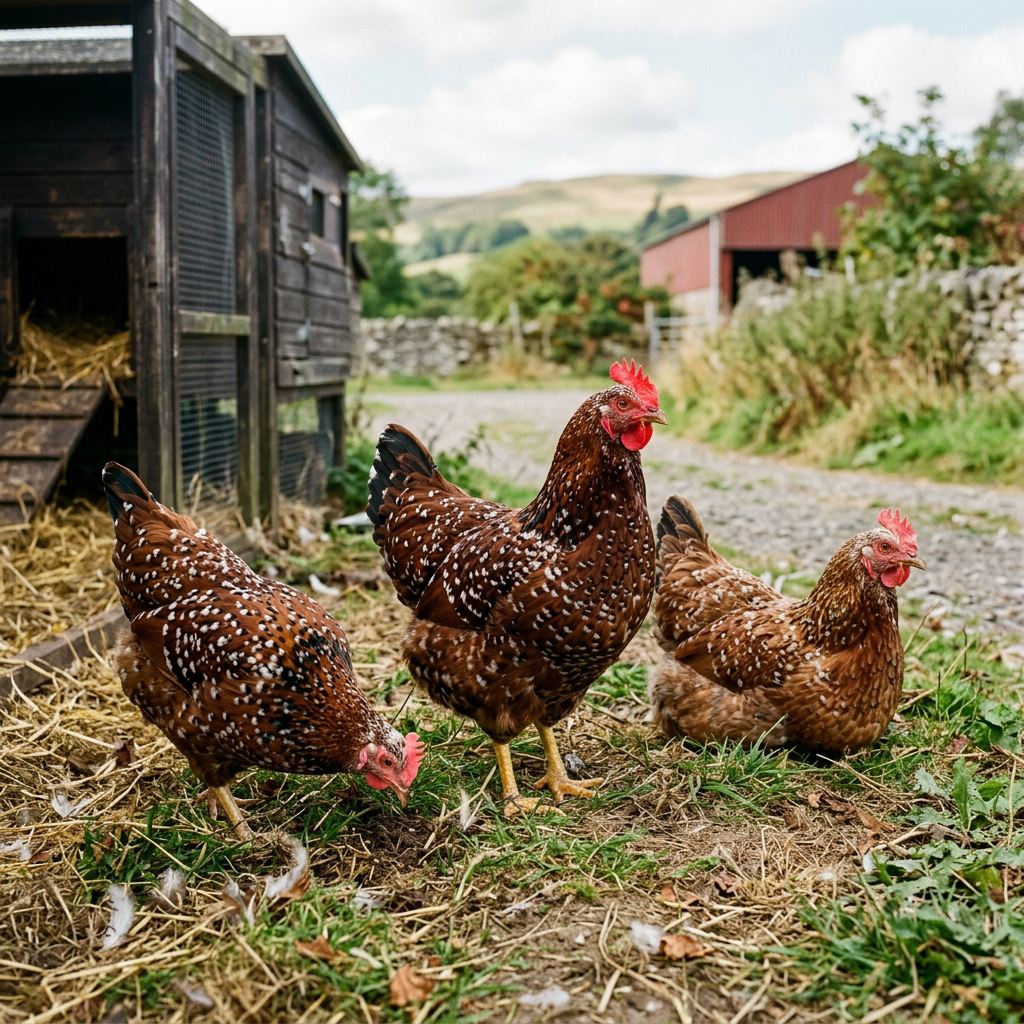
The Speckled Sussex is a medium-to-large bird with a rectangular body shape, wide shoulders, and a deep, broad chest. This conformation makes it an excellent meat bird while also supporting its active, foraging lifestyle.
Key physical traits include:
- Plumage: The signature speckled pattern features a rich mahogany or chestnut base color with each feather tipped in white, creating a beautiful, iridescent “beetle-green” sheen in sunlight. The markings become more pronounced with each molt.
- Comb and Wattles: Single comb, medium-sized, bright red. Wattles are also red and moderately sized.
- Skin Color: White, which is preferred in many markets for meat production.
- Earlobes: Red, indicating brown egg layers.
- Legs and Feet: Clean-legged (feather-free), white or pinkish-white in color.
- Beak: Horn-colored.
Regarding Speckled Sussex chicken size, these birds are substantial without being overly heavy. Roosters typically weigh between 8 and 9 pounds, while hens range from 6 to 7 pounds. This puts them in the ideal sweet spot for a dual-purpose breed large enough to provide a meaningful meat harvest, yet light enough to remain active foragers and efficient layers.
For detailed size and weight information, you can check out the complete breakdown on Speckled Sussex chicken size.
Egg Production: A Reliable Layer for Speckled Sussex Dual Purpose Chicken
One of the strongest selling points of the Speckled Sussex Dual Purpose Chicken is its impressive egg production. These hens are consistent, dependable layers that rarely disappoint.
Egg production highlights:
- Annual production: 200 to 250 eggs per year, with some well-managed hens reaching up to 280 eggs annually.
- Weekly output: 4 to 6 large, brown eggs per week.
- Egg color: Light brown to pinkish-brown, with a lovely tint that stands out in an egg basket.
- Egg size: Large, increasing as the hen matures into her second year.
- Age at first lay: 16 to 22 weeks, which is relatively early for a heritage dual-purpose breed.
What truly sets the Speckled Sussex apart from many other breeds is its winter laying ability. While many chicken breeds significantly reduce or stop egg production during the shorter days of winter, Speckled Sussex hens often continue laying through the cold months. This makes them invaluable for homesteaders who want a steady supply of fresh eggs year-round.
For a deeper dive into what you can expect, visit this guide on Speckled Sussex egg production.
Factors That Influence Egg Production
To maximize egg output from your Speckled Sussex hens, consider these factors:
- Diet: A balanced layer feed with 16-18% protein, supplemented with calcium (oyster shell), keeps eggs coming strong.
- Lighting: In winter, providing supplemental light to maintain 14-16 hours of daylight can sustain production.
- Age: Peak production occurs in the first two years, gradually tapering off but remaining respectable for several more years.
- Stress: Predators, overcrowding, poor nutrition, and sudden changes can cause laying pauses.
- Molting: Annual molting typically pauses laying for 6 to 10 weeks, after which production resumes with renewed vigor.
Temperament and Personality of Speckled Sussex Dual Purpose Chicken
If you are looking for a chicken breed that doubles as a feathered family companion, the Speckled Sussex is an outstanding choice. These birds are widely celebrated for their calm, docile, and friendly temperament.
Personality traits at a glance:
- People-oriented: Speckled Sussex chickens are curious and enjoy human company. They often follow their owners around the yard, happily investigating whatever you are doing.
- Gentle with children: Their non-aggressive nature makes them an excellent breed for families with children.
- Good with other breeds: They are not bullies. Speckled Sussex integrate well into mixed flocks and typically occupy a middle position in the pecking order.
- Tameable: With regular handling from a young age, they become exceptionally tame and can even be lap chickens.
- Not flighty: Unlike some lighter breeds, Speckled Sussex are calm and rarely panic or try to escape their enclosure.
Reddit users describe their Speckled Sussex as “happy, chatty little flocks” that “twine around my ankles like cats.” Instagram enthusiasts highlight their “docile, curious, and super friendly” nature as a top reason to add them to any flock.
Their sweet personality is one of the main reasons so many people seek out Speckled Sussex chickens for their backyard setups.
Broodiness and Mothering Instincts
Speckled Sussex hens are known for their strong maternal instincts. They frequently go broody and make attentive, protective mothers. If you want to hatch your own chicks naturally, a Speckled Sussex hen will reliably sit on eggs and raise chicks with care. This makes the breed self-sustaining for those interested in maintaining or expanding their flock without relying on incubators.
Hardiness and Adaptability of Speckled Sussex Dual Purpose Chicken
One of the most practical advantages of the Speckled Sussex Dual Purpose Chicken is its remarkable hardiness. These birds are adaptable to a wide range of climates and conditions.
Climate tolerance:
- Cold hardy: Their dense, close-fitting plumage provides excellent insulation. They thrive in cold climates and often lay eggs through winter when other breeds have stopped.
- Heat tolerant: They also handle warm weather well, though like all chickens they require shade and fresh water during hot spells.
- Disease resistance: As a heritage breed with strong genetics, Speckled Sussex tend to have robust immune systems and fewer health problems than some intensively bred commercial hybrids.
Their adaptability means they can flourish in diverse settings — from the snowy Northeast to the humid South, and from arid Western regions to the rainy Pacific Northwest.
Foraging Ability and Free-Range Excellence
Speckled Sussex are exceptional foragers. Their active, curious nature drives them to spend hours scratching, pecking, and exploring. If you practice free-range management, this breed will reward you handsomely.
Free-range benefits:
- Natural pest control: They eagerly consume insects, grubs, worms, slugs, and even small rodents.
- Feed savings: A well-foraged Speckled Sussex can meet a significant portion of its nutritional needs through foraging, reducing feed costs.
- Superior egg quality: Eggs from free-ranging birds typically have richer yolks and deeper flavor due to the varied diet.
- Camouflage: Their speckled plumage provides excellent natural camouflage against predators when ranging widely.
The birds adapt equally well to confinement if necessary. They are not prone to the restlessness and stress that some active breeds show when confined to a run. However, their foraging instincts truly shine when they have space to roam.
If you want to learn more about maximizing your birds’ outdoor experience, check out this resource on Speckled Sussex free range management.
Meat Production: Quality on the Table
While the Speckled Sussex is celebrated for its egg production, let us not forget its original purpose as a table bird. These chickens produce a well-fleshed, meaty carcass with white skin — a trait historically prized in the English market.
Meat production details:
- Processing age: Optimal butcher age is around 20 weeks (5 months), when the bird reaches full size but before the meat becomes tough.
- Carcass quality: Plump breast, well-muscled thighs and legs.
- Flavor: Excellent — the free-range foraging contributes to a richer, more complex flavor than confinement-raised birds.
- Dressed weight: A cockerel at 20 weeks typically yields a dressed weight of 4 to 5 pounds.
The dual-purpose nature means you can keep your best layers for years of egg production while processing extra roosters or older hens for the table. This efficiency is the hallmark of a true homestead breed.
Lifespan and Longevity of Speckled Sussex Dual Purpose Chicken
With proper care, Speckled Sussex chickens enjoy a long and productive life.
- Average lifespan: 6 to 8 years, with many birds living well beyond that.
- Productive egg years: Peak production in years 1-2, solid production through years 3-4, then gradual decline.
- Old age: Hens that have passed their laying prime continue to serve as excellent brood mothers, pest controllers, and flock companions.
For more specifics, take a look at the detailed breakdown of Speckled Sussex lifespan.
Their longevity means that the initial investment in quality birds pays dividends over many years. You are not just buying a season’s worth of eggs you are bringing home a long-term flock member.
Speckled Sussex Chicken Care Essentials
Caring for Speckled Sussex is straightforward, even for beginners. They are a low-maintenance breed that rewards good care with robust health and productivity.
Housing
- Space requirements: 4 square feet per bird inside the coop, 8-10 square feet per bird in the run.
- Roosting bars: 2-3 inches wide, placed 18-24 inches off the ground.
- Nesting boxes: One box per 3-4 hens, filled with clean bedding.
- Ventilation: Essential for preventing respiratory issues, especially in cold weather.
Feeding of Speckled Sussex Dual Purpose Chicken
- Starter feed (0-8 weeks): 20% protein chick starter crumble.
- Grower feed (8-20 weeks): 16-18% protein grower feed.
- Layer feed (20+ weeks): 16% protein layer feed with extra calcium.
- Supplements: Oyster shell (free-choice), grit, fresh greens, and kitchen scraps.
- Water: Clean, fresh water at all times. In winter, use heated waterers to prevent freezing.
Health Care of Speckled Sussex Dual Purpose Chicken
Speckled Sussex are generally healthy birds with few breed-specific health concerns. Standard poultry care applies:
- Parasite control: Regular dust baths, coop cleaning, and occasional checking for mites and lice.
- Vaccinations: Consult a local veterinarian about recommended vaccines for your area (Marek’s disease is strongly recommended).
- Common issues: Watch for bumblefoot, egg binding in young layers, and respiratory infections during wet weather.
- Regular handling: Speckled Sussex tolerate handling well, making health checks easy.
For a complete care guide covering everything from chick rearing to adult maintenance, visit this page on Speckled Sussex chicken care.
Why Choose the Speckled Sussex Dual Purpose Chicken?
If you are still weighing your options, here is a summary of why the Speckled Sussex Dual Purpose Chicken stands out from the crowd:
| Feature | Rating (1-5) |
|---|---|
| Egg Production | ★★★★★ |
| Meat Quality | ★★★★☆ |
| Temperament | ★★★★★ |
| Cold Hardiness | ★★★★★ |
| Heat Tolerance | ★★★★☆ |
| Foraging Ability | ★★★★★ |
| Broodiness | ★★★★☆ |
| Longevity | ★★★★★ |
| Beginner Friendliness | ★★★★★ |
| Rarity/Prestige | ★★★★☆ |
Pros of Speckled Sussex Dual Purpose Chicken
- Excellent year-round egg production, including winter
- High-quality meat with white skin
- Friendly, docile temperament — ideal for families
- Hardy in both cold and warm climates
- Superb foragers — perfect for free-range systems
- Strong maternal instincts — great for natural hatching
- Beautiful, eye-catching plumage
- Long lifespan with years of productivity
Cons of Speckled Sussex Dual Purpose Chicken
- Can go broody frequently (a pro if you want chicks, a con if you want uninterrupted laying)
- Not as fast-growing as commercial meat hybrids
- Their calm nature means they can be lower in the pecking order in mixed flocks with aggressive breeds
Where to Find Speckled Sussex Chickens
Ready to add this exceptional breed to your flock? Speckled Sussex are available from a variety of reputable hatcheries and breeders. When sourcing your birds, look for breeders who prioritize health, genetic diversity, and proper socialization.
If you are searching for quality stock, you can find Speckled Sussex for sale from trusted suppliers. For those specifically looking to purchase chicks or started pullets, check out the selection of Speckled Sussex chickens for sale to find healthy, well-started birds ready to join your flock.
Final Thoughts on Speckled Sussex Dual Purpose Chicken
The Speckled Sussex Dual Purpose Chicken is more than just a pretty face in the poultry world. It is a living piece of agricultural history, a reliable egg machine, a quality meat bird, and a gentle companion all rolled into one beautiful package. For homesteaders seeking self-sufficiency, families wanting friendly backyard pets that earn their keep, and poultry enthusiasts who appreciate heritage breeds, the Speckled Sussex delivers on every promise.
Whether you are drawn to their stunning speckled plumage, their calm and curious personality, their impressive winter egg production, or their dual-purpose utility, one thing is certain adding Speckled Sussex to your flock is a decision you will not regret. They will grace your yard with beauty, fill your egg basket with bounty, and win your heart with their charming antics.
If you are ready to experience the joy of keeping this remarkable breed, take the next step today. Your future flock awaits, and there has never been a better time to discover why the Speckled Sussex remains one of the most beloved chicken breeds in the world.
This article was researched using trusted sources including The Livestock Conservancy, Oklahoma State University Breeds of Livestock, the American Poultry Association, and experienced backyard poultry keepers. For further reading, visit The Livestock Conservancy’s Sussex Chicken page to learn about conservation efforts for this heritage breed.