
The Speckled Sussex lifespan is one of the most frequently asked questions among backyard chicken keepers and small-scale farmers considering this heritage breed. And for good reason — when you invest time, money, and love into raising chickens, you want to know how many years you’ll have together. The good news is that the Speckled Sussex lifespan is impressively long compared to many other chicken breeds. With proper care, these beautiful, friendly birds can live between 6 and 8 years on average, and some well-cared-for individuals have been known to reach 10 to 12 years .
This longevity is one of the hallmark traits that make the Speckled Sussex such a beloved breed among poultry enthusiasts. But what exactly determines how long your Speckled Sussex will live? And what can you do to ensure your flock enjoys a long, healthy, and productive life? In this comprehensive guide, we’ll explore everything you need to know about the Speckled Sussex lifespan, from genetics and nutrition to housing and predator protection.
If you’re looking to add these wonderful birds to your flock, you can find healthy Speckled Sussex chicks and learn more about their size and growth expectations.
What Is the Average Speckled Sussex Lifespan?
To put things in perspective, the average chicken lifespan across all breeds typically ranges from 3 to 7 years, with many commercial hybrid layers living on the shorter end of that spectrum due to the intense demands of high egg production. The Speckled Sussex lifespan, however, leans toward the longer end, typically clocking in at 6 to 8 years under standard backyard conditions.
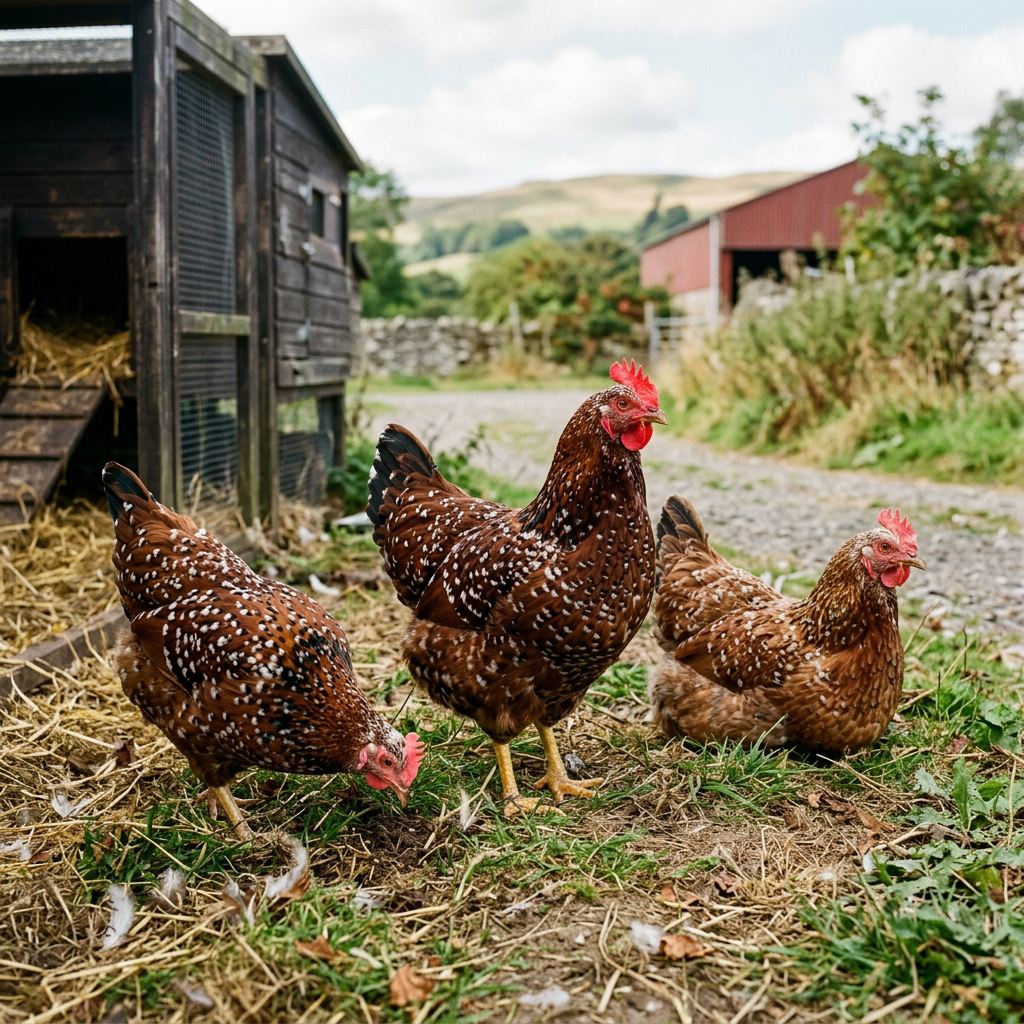
Several factors contribute to this breed’s impressive longevity:
- Heritage genetics: Speckled Sussex are an ancient breed, dating back to Roman-era England (around 43 AD) . Unlike modern hybrid breeds that have been selectively bred almost exclusively for maximum egg output — often at the expense of overall health and longevity — Speckled Sussex retain more robust, natural genetics that support a longer life.
- Dual-purpose hardiness: Bred historically for both meat and eggs, Speckled Sussex are hardy, adaptable birds that handle a range of climates and conditions well. This inherent hardiness directly supports a longer Speckled Sussex lifespan.
- Moderate egg production: While Speckled Sussex are excellent layers (producing around 200–250 light brown eggs per year), their production is not so extreme that it drains their bodies prematurely . This balanced approach to egg-laying means their reproductive systems don’t wear out as quickly as those of high-performance hybrid layers.
Speckled Sussex Lifespan vs. Other Breeds
To better appreciate the longevity of the Speckled Sussex, it helps to compare it with other common backyard breeds:
| Breed | Average Lifespan |
|---|---|
| Speckled Sussex | 6–8 years |
| Rhode Island Red | 5–8 years |
| Wyandotte | 5–7 years |
| Leghorn (commercial) | 4–6 years |
| Australorp | 6–8 years |
| Orpington | 6–8 years |
| ISA Brown (hybrid) | 3–5 years |
As the table shows, the Speckled Sussex lifespan compares favorably even against other heritage breeds. Their robust constitution and lower incidence of breed-specific health problems give them an edge in longevity.
You can explore more about these wonderful birds, including their egg production and general breed characteristics, on Layers Farm.
Factors That Influence Speckled Sussex Lifespan
While genetics set a foundation, the actual Speckled Sussex lifespan you’ll experience with your own birds depends heavily on how you care for them. Here are the most critical factors:
1. Nutrition and Diet
A well-balanced diet is the single most important controllable factor in determining how long your Speckled Sussex will live. These birds thrive on:
- High-quality layer feed (16–18% protein) during their laying years
- Grower feed (18–20% protein) for chicks and young birds
- Calcium supplementation (oyster shells) for strong eggshells and bone health
- Grit to aid digestion
- Fresh, clean water available at all times
Supplements like fresh greens, kitchen scraps (in moderation), and access to insects and grubs during free-range time provide essential micronutrients that support immune function and organ health. Birds with poor nutrition are more susceptible to illness and parasites, both of which can dramatically shorten their lifespan.
For a complete guide on keeping your Speckled Sussex healthy and thriving, check out the Speckled Sussex chicken care guide.
2. Housing and Protection
Predation is the number one cause of early death among backyard chickens. Even the healthiest Speckled Sussex with excellent genetics won’t reach their full Speckled Sussex lifespan if they fall prey to raccoons, foxes, hawks, or neighborhood dogs.
Essential housing considerations include:
- Secure coop: Predator-proof latches, hardware cloth (not chicken wire) over windows and vents, and a solid floor or buried wire skirt to prevent digging predators
- Adequate space: At least 4 square feet per bird inside the coop and 10 square feet per bird in the run
- Ventilation: Good airflow without drafts prevents respiratory issues
- Clean bedding: Regular cleaning reduces parasite and disease pressure
3. Healthcare and Parasite Control
Internal and external parasites can significantly reduce a chicken’s quality and length of life. Common issues include:
- Mites and lice: Can cause anemia, feather loss, and stress
- Worms: Compete for nutrients and damage internal organs
- Coccidiosis: Especially dangerous for young chicks
Regular health checks, periodic deworming, and dust baths (which Speckled Sussex love) go a long way toward preventing these issues. A proactive healthcare routine can extend your bird’s life by years.
4. Breeding and Genetics
Not all Speckled Sussex are created equal. Birds from reputable breeders who select for health, vigor, and longevity will naturally have a longer Speckled Sussex lifespan than those from hatcheries that prioritize only production traits or feather color.
If you’re looking to start your flock with quality birds, you can purchase healthy Speckled Sussex chickens and Sussex roosters from Layers Farm.
Life Stages of a Speckled Sussex Chick
Understanding the life stages of your Speckled Sussex helps you provide age-appropriate care at each phase. Here’s what to expect:
Chick Stage (0–8 Weeks)
The journey begins with day-old chicks. Speckled Sussex chicks are adorable, with chipmunk-like striping on their backs. During this stage:
- They require a brooder with a heat lamp (95°F for the first week, decreasing by 5°F each week)
- Starter feed (18–20% protein) is essential for proper growth
- Mortality risk is highest during this period, so careful monitoring is critical
- Many breeders offer Speckled Sussex chicks for those looking to raise them from the start
Grower Stage (8–20 Weeks)
As young birds transition to the coop:
- Switch to grower feed or layer feed (depending on development)
- Introduce them to the flock gradually to prevent bullying
- Watch for the first signs of speckled feathering
- This is when their adult size and body weight become apparent
Laying Stage (20 Weeks–5 Years)
This is the most productive period of a Speckled Sussex’s life:
- Hens typically begin laying around 20–24 weeks of age
- Egg production peaks in the first 2–3 years
- Learn about their impressive egg production numbers
- This is also the stage where good nutrition matters most for long-term health
Senior Stage (5+ Years)
As your Speckled Sussex enters their golden years:
- Egg production naturally declines but may continue sporadically
- They become more vulnerable to age-related health issues
- Consider supplementing with senior-specific feeds or additives
- These older birds are often wonderfully calm, friendly, and make excellent “pets” in a backyard flock
- Many keepers find that their longest-living birds are the ones that outlive their peak laying years
Some Speckled Sussex have been known to reach 10 or even 12 years with exceptional care . If you’re looking for adult birds that are already past the fragile chick stage, check Speckled Sussex for sale at Layers Farm.
How to Extend Your Speckled Sussex Lifespan
Want your Speckled Sussex to live as long as possible? Follow these proven strategies:
Provide a Stress-Free Environment
Stress is a silent killer in chickens. It suppresses the immune system, making birds vulnerable to diseases they would otherwise fight off. Minimize stress by:
- Maintaining a consistent daily routine
- Introducing new birds gradually using the “see but don’t touch” method
- Providing plenty of space to reduce territorial disputes
- Keeping dogs and other predators away from the coop area
Preventative Healthcare
An ounce of prevention is worth a pound of cure, especially with poultry. Key practices include:
- Biosecurity: Quarantine new birds for at least 2–3 weeks before introducing them to your flock
- Vaccination: Consider vaccinating against Marek’s disease if it’s prevalent in your area
- Regular inspection: Check your birds weekly for signs of illness, injury, or parasites
- Dust bath areas: Provide dry, sandy spots where your chickens can bathe to naturally control mites and lice
Quality Feed and Supplements
Don’t skimp on feed quality. Cheap feed often lacks essential amino acids and vitamins that support long-term health. Consider:
- Fermented feed for improved digestion and nutrient absorption
- Apple cider vinegar in water (1 tablespoon per gallon) to support immune health
- Garlic powder in feed as a natural parasite deterrent
- Probiotics to support gut health
Encourage Free-Ranging
Speckled Sussex are excellent foragers. Free-ranging allows them to:
- Get natural exercise that maintains muscle tone and cardiovascular health
- Access a diverse diet of bugs, greens, and grit
- Engage in natural behaviors that reduce stress
- Get natural sunlight for vitamin D synthesis
For detailed care instructions on keeping your flock healthy for years, Layers Farm has excellent resources.
Common Myths About Speckled Sussex Lifespan
Let’s clear up a few common misconceptions:
Myth 1: “Once they stop laying, they’re going to die soon.”
False. Many Speckled Sussex live years after their egg production ceases. They continue to be wonderful flock members even without laying.
Myth 2: “Heritage breeds always outlive hybrids.”
While true on average, some hybrids can live long lives too. The Speckled Sussex lifespan is generally longer, but individual care matters more than breed alone.
Myth 3: “Speckled Sussex are fragile because of their feathering.”
Actually, the opposite is true. Their dense, close-fitting feathers make them cold-hardy and resilient in various climates.
Myth 4: “You need a rooster for hens to be healthy and live long.”
Roosters are not needed for health or egg production. Hens lay eggs regardless and can live equally long lives without a rooster. However, if you want to hatch your own chicks, you can find quality Sussex roosters for sale.
Final Thoughts on Speckled Sussex Lifespan
The Speckled Sussex lifespan of 6 to 8 years — and sometimes longer — makes this heritage breed an excellent long-term companion for backyard chicken keepers. Their combination of hardiness, friendly temperament, solid egg production, and beautiful speckled plumage has made them a favorite for generations.
Whether you’re a first-time chicken owner or an experienced poultry keeper looking to add to your flock, the Speckled Sussex offers a wonderful balance of productivity and longevity. By providing quality nutrition, secure housing, regular healthcare, and a low-stress environment, you’ll give your birds the best chance at reaching their full lifespan potential.
Ready to add Speckled Sussex to your flock? Visit Layers Farm to learn more and find healthy chickens for sale. They offer everything from day-old chicks to mature birds, along with comprehensive resources on size expectations, egg production, and care guidance.
External Resources
For more information on chicken health, longevity, and heritage breed conservation, check out these valuable external resources:
- The Livestock Conservancy — Sussex Chicken Profile: Learn about the conservation status and history of the Sussex breed.
- Oklahoma State University — Breeds of Livestock: Sussex Chickens: A detailed academic overview of the breed’s characteristics and history.
Disclaimer: Lifespan figures are averages based on typical backyard care. Individual results may vary depending on genetics, environment, diet, and healthcare. Always consult with a veterinarian for specific health concerns regarding your flock.