Are you searching for Laying Hens for Sale Near Me? Whether you’re a first-time backyard chicken keeper or an experienced homesteader looking to expand your flock, finding healthy, productive egg-laying chickens is the single most important step toward a successful poultry-keeping experience. The quality of the hens you bring home directly determines how many eggs you’ll harvest, how healthy your flock remains, and how much you’ll enjoy the journey. In this comprehensive guide, we’ll walk you through everything you need to know — from choosing the right breed to evaluating health indicators, setting up the perfect coop, and avoiding common mistakes that new chicken owners often make.
Why Raising Your Own Laying Hens Is Worth It
Before diving into where to find Laying Hens for Sale Near Me, let’s talk about why so many people are making the switch to backyard egg production. Grocery store eggs simply cannot compare to fresh, farm-raised eggs from your own flock. Home-raised eggs have richer yolks, firmer whites, and a depth of flavor that mass-produced eggs lack. Studies have shown that eggs from pasture-raised hens contain up to twice as much omega-3 fatty acids and significantly more vitamins A, D, and E compared to conventionally produced eggs.
Beyond nutrition, raising laying hens is incredibly rewarding. Watching your hens scratch, dust-bathe, and interact with one another is a daily dose of natural therapy. Children especially benefit from the responsibility and connection to where food comes from. And financially, a small flock of four to six hens can supply a family of four with more than enough eggs, paying for themselves in feed and upkeep costs within the first year. With egg prices at grocery stores fluctuating, having a steady supply from your backyard offers both predictability and peace of mind.
Where to Start Looking for Laying Hens for Sale Near Me
When you begin searching for Laying Hens for Sale Near Me, you’ll quickly discover there are several sources available. Each has its own advantages, and the best choice depends on your priorities, budget, and how quickly you want to get started.
Local Farm Supply Stores and Feed Shops
Many farm supply stores partner with local hatcheries and receive shipments of pullets (young hens) seasonally. Spring is the peak season, but some stores offer birds year-round. The advantage here is that you can see the birds in person before buying. You can observe their behavior, check their physical condition, and speak with staff who often have firsthand knowledge of the breeds they carry. Call ahead to ask about delivery schedules and which breeds will be available. This option is ideal for beginners who want to physically examine birds before committing.
Hatcheries and Online Poultry Breeders
If you’re looking for specific breeds, hatcheries that ship day-old chicks or started pullets are an excellent option. Many reputable breeders offer minimum-order guarantees and ship directly to your local post office. For those specifically looking for Laying Hens for Sale Near Me, online ordering combined with local pickup from a nearby hatchery can bridge the gap between convenience and quality. Breeders like Layers Farm offer a wide selection of started pullets and mature laying hens that are already acclimated and producing. The advantage of online breeders is the breadth of selection — you’re not limited to whatever the local store happens to have in stock.
Local Farm Auctions and Poultry Swaps
For the budget-conscious homesteader, farm auctions and chicken swaps can yield high-quality birds at reasonable prices. That said, this route requires more experience. You need to know what to look for because birds sold at auction may be older, less productive, or carrying health issues. If you’re a beginner, it’s often wiser to purchase from a known source until you’ve developed a confident eye for hen health. Once you have experience, auctions can be a goldmine for finding rare heritage breeds at a fraction of the cost.
Dedicated Poultry Breeders
Specialized poultry breeders like Layers Farm offer some of the best options when searching for Laying Hens for Sale Near Me. These operations focus on breeding healthy, productive hens with strong genetics. When you buy from a dedicated breeder, you get the benefit of their expertise, health guarantees, and often a wider selection of proven layer breeds that are already adjusted to your climate. Many dedicated breeders also offer advice and support after the sale, which can be invaluable for first-time chicken owners.
Top Breeds for Egg Production
Not all hens are created equal when it comes to egg laying. Some breeds are legendary for their productivity, while others are better suited as dual-purpose meat and egg birds. Here are the best breeds to look for when searching for Laying Hens for Sale Near Me.
Isa Brown laying hens
Without a doubt, the Isa Brown Chickens for Sale are among the most prolific egg layers you can own. These hybrid birds were specifically developed for high egg production, and they deliver impressively. A healthy Isa Brown can lay 300 to 350 large brown eggs per year — that’s nearly one egg per day. They reach maturity quickly, often beginning to lay as early as 16 to 18 weeks of age. Isa Browns are docile, easy to handle, and adapt well to confinement or free-range systems. If your top priority is maximum egg yield with minimal waiting, Isa Browns are hard to beat.
Rhode Island Red laying hens
The Rhode Island Red Chickens are an American heritage breed that has earned its place in backyards across the country. These hardy birds are excellent layers, producing around 250 to 300 large brown eggs per year. But their real strength lies in their resilience. Rhode Island Reds tolerate cold weather remarkably well, are less prone to disease than some hybrids, and have a calm, friendly temperament when handled regularly. They’re also excellent foragers, which means they’ll thrive in a free-range setting and help control garden pests naturally. They’re a fantastic all-around choice for beginners and experienced keepers alike.
Plymouth Rock laying hens
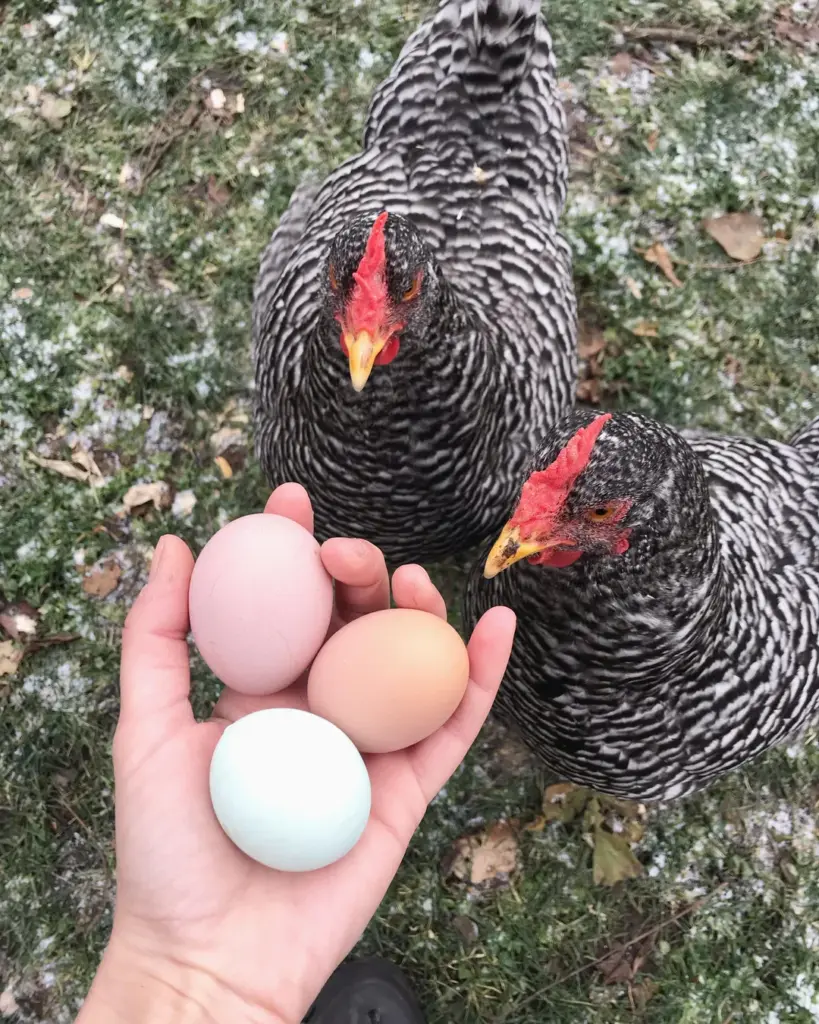
The Plymouth Rock Chickens for Sale are beloved for their striking barred feather pattern and their reliable egg production. These dual-purpose birds lay around 200 to 280 large brown eggs annually. What sets Plymouth Rocks apart is their calm, affectionate nature. They’re often described as the “golden retrievers” of the chicken world — friendly, curious, and wonderful for families with children. They also forage actively, which means they’ll help keep your yard free of insects and weeds. Plymouth Rocks are cold-hardy and go broody more often than other breeds, making them a good choice if you’re interested in naturally hatching chicks someday.
Leghorn Chickens good for laying hens
If white eggs are your preference, look no further than Leghorn Chickens for Sale. Leghorns are the breed behind most commercial egg production for a reason. A single Leghorn hen can lay 280 to 320 large white eggs per year. They’re active, efficient feeders, and they excel in warmer climates. Leghorns tend to be more flighty and independent than some other breeds, but they’re exceptionally hardy and low-maintenance in terms of health care. Their smaller body size means they eat less feed than heavier breeds, making them cost-effective producers over their laying lifespan.
How to Assess Hen Health Before Buying laying hens
When you’ve found a source offering Laying Hens for Sale Near Me, knowing how to evaluate the birds’ health is crucial. A seemingly healthy hen can hide underlying issues that will affect egg production and flock health.
Visual Health Indicators
Start with a visual inspection. A healthy hen should have bright, clear eyes without discharge or cloudiness. The comb and wattles should be a vibrant red — in most breeds, a pale or shriveled comb can indicate illness, stress, or poor nutrition. Feathers should be smooth, clean, and fully covering the body. Patchy feather loss could indicate mites, lice, or feather-pecking behavior in the flock. Check around the vent area for any signs of pasted feathers or irritation. The bird’s overall posture should be upright and alert, not hunched or droopy.
Behavior and Activity of laying hens
Observe the hens in their environment. Healthy hens are active, alert, and curious. They should be scratching the ground, pecking at feed, and interacting with other birds. A hen that sits apart from the flock, appears lethargic, or keeps its eyes closed is likely unwell. Listen for respiratory sounds as well — clear breathing is a good sign, while sneezing, wheezing, or nasal discharge are red flags that should make you reconsider the purchase. Healthy hens also demonstrate normal dust-bathing behavior, which is essential for parasite control.
Checking the Feet and Legs
Pick up a hen and examine her feet and legs. The scales should be smooth and flat, not raised or crusty. Raised scales are a classic sign of scaly leg mites, a common but treatable condition. The toes should be straight and free of injuries. Bumblefoot, a bacterial infection that causes swollen, scabbed foot pads, is another condition to watch for. If you notice any limping or reluctance to put weight on a foot, that hen likely has a leg or foot issue that will require treatment.
Vent Condition
The vent area (where eggs emerge) should be clean, dry, and free of matted feathers. A soiled vent can indicate digestive issues or vent prolapse. This is a more intimate check, but it’s well worth doing, especially if you’re buying mature hens that are actively laying. A clean, pink, and slightly moist vent is a strong indicator of a hen that is currently in good laying condition.
Setting Up the Perfect Environment for Your New Flock
Once you’ve found healthy Laying Hens for Sale Near Me and made your purchase, having their environment ready is essential for a smooth transition. Setting up your coop and run well before the birds arrive reduces stress for both you and the chickens.
Coop Requirements for laying hens
Your chicken coop needs to provide at least 3 to 4 square feet per bird inside the coop and 8 to 10 square feet per bird in the outdoor run. Overcrowding leads to stress, feather pecking, and disease. Good ventilation is critical — moisture buildup from droppings and respiration leads to respiratory disease and frostbite in winter, yet drafts at bird level must be avoided. Position roosts at varying heights, as chickens instinctively seek higher ground to sleep. Nesting boxes should be one box for every three to four hens, placed in a dark, quiet corner of the coop where hens feel safe to lay.
Bedding and Cleanliness
Use pine shavings, straw, or hemp bedding in the coop. Avoid cedar shavings, as the aromatic oils can irritate chickens’ respiratory systems. Practice the “deep litter method” — add fresh bedding on top of old material and turn it regularly. This encourages composting inside the coop, generates warmth in winter, and reduces odor. Clean the coop thoroughly between flocks and perform a deep clean at least twice per year. A clean coop is the foundation of a healthy flock.
Predator Protection of laying hens
Predators are the number one threat to backyard flocks. Raccoons, foxes, hawks, opossums, coyotes, and even neighborhood dogs can wreak havoc on your flock. Use hardware cloth (not chicken wire, which is merely a barrier, not a predator deterrent) on all coop openings, including windows and ventilation gaps. Ensure latches are raccoon-proof — these clever animals can manipulate simple hooks and slide bolts with ease. Bury hardware cloth at least 12 inches deep around the run perimeter to prevent digging predators from tunneling in. An automatic coop door that closes at dusk adds an extra layer of security and peace of mind.
Nutrition for Maximum Egg Production
What you feed your hens directly affects how many eggs they lay and the quality of those eggs. When you bring home Laying Hens for Sale Near Me, transitioning them to the right diet is a top priority for immediate and sustained production.
Layer Feed
A complete layer feed should contain 16% to 18% protein with added calcium for strong eggshells. Offer feed in a feeder that minimizes waste and keeps the food clean and dry. Free-choice feeding allows hens to eat as much as they need throughout the day. Avoid feeding chicken scratch or treats as the main diet — these are nutritionally incomplete and should be offered sparingly. Look for feeds that contain natural probiotics and prebiotics for digestive health.
Calcium Supplementation
Laying hens require significant calcium to produce eggshells. Even with layer feed, providing crushed oyster shells or limestone in a separate container allows hens to self-regulate their calcium intake. This is especially important for heavy layers like Isa Browns and Leghorns, who deplete their calcium reserves quickly. Without adequate calcium, hens will lay thin-shelled or shell-less eggs and may develop metabolic bone issues.
Grit
Chickens don’t have teeth — they rely on grit (small stones) in their gizzard to grind food for digestion. If your hens are confined and don’t have access to natural gravel, provide commercial insoluble grit. This is non-negotiable for proper digestion and nutrient absorption. Chickens that free-range typically find enough grit naturally, but it’s wise to offer it anyway.
Fresh Water for Laying hens
Access to clean, fresh water at all times is essential. A laying hen drinks approximately one pint of water per day, and significantly more in hot weather or during peak production. Dehydration is one of the fastest ways to shut down egg production. Clean waterers daily to prevent algae growth and bacterial contamination. In winter, use heated waterers or regularly check and replace frozen water. In summer, consider adding electrolytes to water during heat waves to prevent heat stress.
Healthy Treats and Greens
Supplement your hens’ diet with kitchen scraps, leafy greens, and garden vegetables. Avoid avocado skin and pit, raw potatoes, chocolate, and salty foods. Treats should make up no more than 10% of the total diet to prevent nutritional imbalances. Offering greens like kale, spinach, and lettuce not only provides enrichment but also deepens the color of the egg yolks.
Common Mistakes to Avoid When Buying Laying Hens
Even experienced poultry keepers make mistakes when sourcing Laying Hens for Sale Near Me. Here are the most common pitfalls and how to avoid them.
Buying Too Few or Too Many
Chickens are social animals and need a flock. Keeping fewer than three hens can lead to loneliness, stress, and behavioral issues. At the same time, starting with more than six to eight birds as a beginner can be overwhelming when it comes to cleaning, feeding, and health monitoring. Start with four to six hens — enough for a healthy social dynamic and a steady supply of eggs, but manageable for someone learning the ropes.
Mixing Ages in the Flock
Integrating hens of different ages is possible but requires careful management. Older hens may bully newcomers, pecking them and preventing them from accessing food and water. Younger birds may not be ready for the layer feed that older birds need. If you can, start with pullets that are all roughly the same age. If you do mix ages, use a gradual introduction method with a separate pen within sight for at least two weeks before attempting full integration. The “see but don’t touch” approach reduces aggression.
Overlooking Biosecurity of Laying hens
When you bring new Laying Hens for Sale Near Me home, quarantine them from your existing flock for at least two weeks if you already have birds. This is perhaps the most overlooked step among backyard chicken keepers, yet it’s critically important. Quarantine prevents introducing diseases like Marek’s disease, infectious bronchitis, avian influenza, or external parasites like mites and lice. Even if the new birds look healthy, some diseases have incubation periods during which birds appear normal but are contagious. Use separate equipment and wash hands between handling quarantined and existing birds.
Ignoring Local Regulations
Before buying any hens, check your local zoning laws and homeowners’ association rules. Many municipalities allow backyard chickens but restrict roosters, limit flock size to three to six hens, or require minimum lot sizes and setback distances from neighbors. Some areas require permits or have specific coop construction standards. A quick call to your city clerk or a visit to your local government website can save you from having to rehome your birds or facing fines later.
Buying on impulse: laying hens
It’s easy to get excited when you find a good deal on Laying Hens for Sale Near Me, but impulse buying often leads to problems. Always visit the seller’s facility if possible. Ask about vaccination history, feeding program, and whether the birds have been dewormed. A reputable seller will be happy to answer these questions. If a seller is evasive or unwilling to let you see the birds’ living conditions, consider that a red flag.
Year-Round Care for Your Laying Flock
Caring for laying hens is a year-round commitment that changes with the seasons. Understanding these seasonal needs will help you maintain consistent egg production throughout the year.
Spring and Summer Care for Laying hens
In spring and summer, focus on parasite control, shade, and ventilation. Warm weather brings an increase in external parasites like mites and lice, as well as internal worms. Conduct regular health checks and treat promptly if you see signs of infestation. Provide ample shade in the run; heat stress is a major cause of summer production drops. Ensure the coop has adequate ventilation to prevent overheating. Frozen treats like watermelon and frozen corn make excellent summer enrichment.
laying hens for sale fall preparation
In fall, prepare for reduced daylight by considering whether to install a coop light. Hens need 14 to 16 hours of light per day to maintain peak egg production. If you choose to supplement lighting, use a low-wattage bulb on a timer to gradually extend daylight hours; avoid sudden changes, which can cause stress and molting. Fall is also the ideal time to deep-clean the coop, apply fresh bedding, and check for drafts that will become problematic in winter.
Winter Management
Winter demands frostbite prevention, heated water, and extra calories to help hens maintain body temperature. Apply petroleum jelly to combs and wattles of large-combed breeds like Leghorns to prevent frostbite. Insulate the coop without sealing it completely ventilation must remain to prevent moisture buildup, which is more dangerous than cold temperatures. Offer scratch grains in the evening; the digestion process generates body heat that helps hens through cold nights. Egg production will naturally decline, and this is normal.
Managing the Molting Period
Once a year, usually in late summer or fall, hens will molt; they lose old feathers and grow new ones. During this period, which lasts 8 to 16 weeks, egg production slows or stops entirely. This is normal and healthy. Support your hens during molt by increasing protein in their diet to 20% to 22%, as feather regrowth requires substantial protein. Black oil sunflower seeds, mealworms, and fish meal are excellent high-protein supplements during this time.
Conclusion on laying hens for sale near me
Finding quality Laying Hens for Sale Near Me is the first step on an incredibly rewarding journey. Whether you choose prolific layers like Isa Browns, hardy all-rounders like Rhode Island Reds, family-friendly Plymouth Rocks, or efficient Leghorns, the key is starting with healthy birds from a reputable source. Take your time, do your research, and prepare their home before they arrive.
For a full selection of quality laying hens, pullets, and started birds, visit Layers Farm to explore available breeds and get expert advice tailored to your needs. And if you’re just starting your journey, Layers Farm’s main site offers a wealth of resources for beginners and experienced keepers alike.
For authoritative information on chicken health and management, the University of Florida IFAS Extension’s guide on raising backyard chickens for eggs is an excellent external resource backed by decades of poultry science research.
Your fresh eggs are waiting. Start your search for Laying Hens for Sale Near Me today, and enjoy the incomparable satisfaction of eggs raised right in your own backyard.