
Starting your own backyard chicken flock is one of the most rewarding decisions you can make as a homesteader or hobby farmer. But if you are new to poultry keeping, the most important question you will face is, “Which breeds should you choose?” Not all chickens are created equal when it comes to egg production, temperament, and ease of care. That is why finding the best laying hens for beginners is the very first step toward a successful and enjoyable experience with your flock.
The best laying hens for beginners are those that combine high egg output with a calm, friendly disposition, cold and heat hardiness, and low-maintenance care requirements. Whether you live in a chilly northern climate or a warmer southern region, certain breeds consistently outperform others in terms of year-round egg production. In this comprehensive guide, we will explore the 10 best laying hens for beginners that produce eggs year-round, helping you choose the perfect birds for your backyard setup.
Before we dive into the breeds, it is worth noting that where you source your birds matters. A reputable supplier ensures you get healthy, well-started pullets or chicks. For top-quality options, check out Layers Farm—a trusted source for healthy laying hens. They offer a wide selection of laying hens for sale and provide excellent guidance for beginners. You can also explore their detailed resources on how to care for layer hens to set yourself up for success from day one.
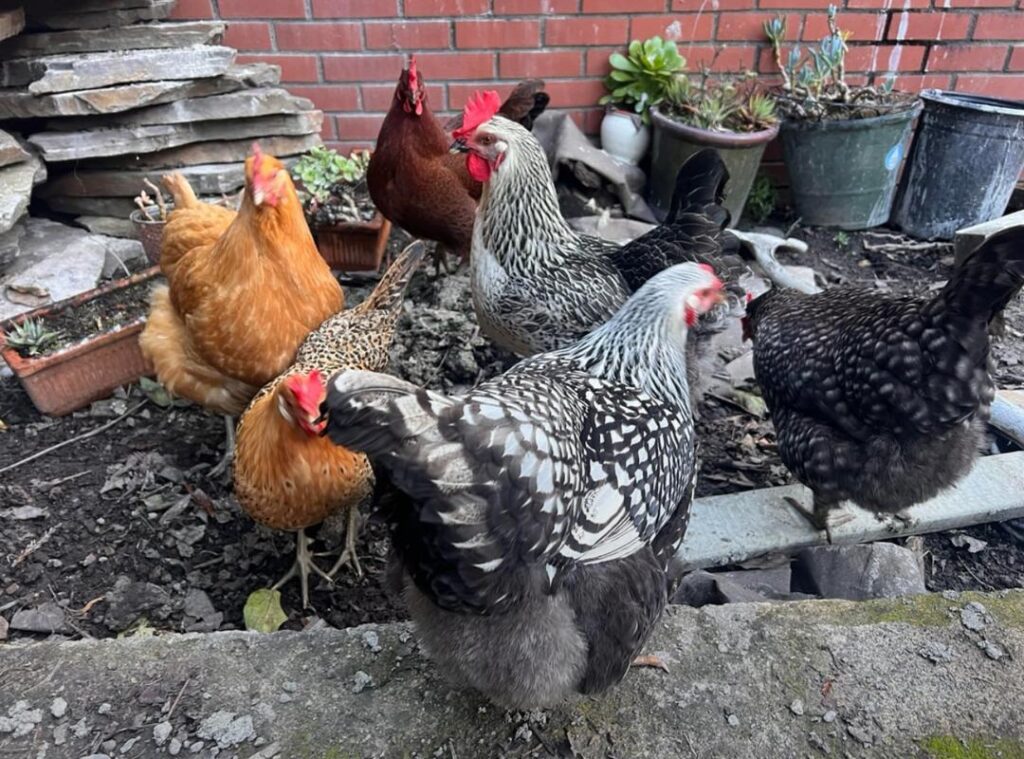
Why Choosing the Best Laying Hens for Beginners Matters
Selecting the right breed is not just about getting the most eggs. It is about creating an enjoyable, low-stress experience that keeps you excited about raising chickens for years to come. The best laying hens for beginners share several key traits:
- Consistent Year-Round Egg Production: The breeds on this list lay eggs reliably through all four seasons, including winter months when many other breeds slow down or stop entirely.
- Docile Temperament: Friendly, calm birds are easier to handle, less likely to cause problems with neighbors, and better suited for families with children.
- Hardiness: Beginner-friendly breeds can tolerate a range of temperatures and are less prone to common health issues.
- Early Maturity: Most of these breeds start laying between 16 and 24 weeks of age, so you are not waiting forever to see your first eggs.
- Low Maintenance: These breeds thrive on basic care and do not require special feeding or elaborate housing.
Now, let us meet the top 10 breeds that check all these boxes.
1. ISA Brown — The Egg-Laying Champion
Why ISA Browns Are Among the Best Laying Hens for Beginners
The ISA Brown is, without question, one of the most prolific egg layers in the poultry world. Developed as a production hybrid, this breed was designed to do one thing exceptionally well: lay eggs. And it delivers in spades.
Egg Production: 300 to 350 large brown eggs per year
Temperament: Docile, friendly, and easy to handle
Cold Hardiness: Excellent
Start Laying: 16 to 18 weeks old
ISA Browns are the workhorses of the egg-laying world. These hens are calm, quiet, and remarkably consistent. They lay through winter with minimal supplemental light and rarely go broody, which means their energy stays focused on egg production rather than sitting on nests. For the beginner who wants maximum eggs with minimum fuss, the ISA Brown is a top-tier choice.
You can find high-quality ISA Brown pullets at Layers Farm—ISA Brown Chickens for Sale. These birds are well-started and ready to become productive members of your flock.
2. Rhode Island Red — The Backyard Classic
Why Rhode Island Reds Are the Best Laying Hens for Beginners
If there is one breed that defines backyard chicken keeping in America, it is the Rhode Island Red. These hardy, adaptable birds have been a staple of small farms and suburban coops for generations.
Egg Production: 250 to 300 large brown eggs per year
Temperament: Confident, friendly, and active
Cold Hardiness: Excellent
Heat Tolerance: Good
Start Laying: 18 to 22 weeks old
Rhode Island Reds are tough, resilient birds that thrive in nearly any climate. They are excellent foragers, which makes them ideal for free-range setups, but they also adapt well to confinement. Their egg production stays strong through winter, and they are known for laying consistently for several years. They are also one of the friendliest large breeds, making them great for families.
Pick up your Rhode Island Red hens from Layers Farm—Rhode Island Red Chickens—and add this classic breed to your flock.
3. Golden Comet — The Hybrid Powerhouse
Why Golden Comets Are the Best Laying Hens for Beginners
Golden Comets, also known as Red Sex-Links or Cinnamon Queens, are hybrid chickens bred specifically for outstanding egg production. They are among the earliest maturing breeds, often laying their first egg at just 16 weeks of age.
Egg Production: 280 to 320 large brown eggs per year
Temperament: Extremely docile, sweet, and friendly
Cold Hardiness: Very good
Start Laying: 16 to 18 weeks old
Golden Comets are some of the gentlest chickens you will ever raise. They are calm, easy to handle, and get along well with other flock members. Their egg production is almost as impressive as the ISA Brown, and they are known to lay well even during shorter winter days. For beginners who value temperament as much as egg count, the Golden Comet is hard to beat.
4. Black Australorp — The Gentle Giant
Why Australorps Are the Best Laying Hens for Beginners
The Black Australorp holds a special place in poultry history. This breed once held the world record for egg production, with a single hen laying 364 eggs in 365 days. While modern Australorps do not quite reach that extreme, they remain some of the most reliable layers you can own.
Egg Production: 250 to 300 light brown eggs per year
Temperament: Extremely calm, gentle, and docile
Cold Hardiness: Excellent
Start Laying: 20 to 24 weeks old
Australorps are known for their calm, almost dog-like personalities. They are one of the gentlest breeds around, making them a favorite for families with children. Their beautiful black feathers have an iridescent green sheen in sunlight, and their fluffy appearance makes them look like the quintessential barnyard chicken. They tolerate cold exceptionally well and maintain good winter egg production.
5. White Leghorn — The Commercial Champion
Why Leghorns Are the Best Laying Hens for Beginners
White Leghorns are the hens behind virtually all commercial egg production in the United States. They are exceptional layers of large white eggs and are known for their efficiency—they convert feed into eggs better than almost any other breed.
Egg Production: 280 to 320 large white eggs per year
Temperament: Active, alert, and independent
Cold Hardiness: Good
Start Laying: 16 to 18 weeks old
Leghorns are energetic, flighty birds that do best when given space to roam. They are not as cuddly as some other breeds, but they are outstanding layers that produce a steady supply of white eggs year-round. For beginners who prioritize egg production above all else and have space for active birds, Leghorns are a fantastic choice. They start laying early and maintain high production levels for several years.
6. Speckled Sussex — The Beautiful Layer
Why Sussex Hens Are the Best Laying Hens for Beginners
The Speckled Sussex is a heritage breed that combines beauty, personality, and productivity in one stunning package. Their unique speckled feathers make them one of the most attractive chickens you can raise, but they are more than just a pretty face.
Egg Production: 200 to 250 medium to large brown eggs per year
Temperament: Friendly, curious, and outgoing
Cold Hardiness: Good
Heat Tolerance: Good
Start Laying: 20 to 24 weeks old
Sussex chickens are known for their social, affectionate nature. They often follow their owners around the yard and enjoy being part of the action. While they lay slightly fewer eggs than production hybrids, they make up for it with exceptional longevity—Sussex hens often lay well for 4 to 5 years or more. They are also excellent foragers and do well in free-range setups.
7. Buff Orpington — The Family Favorite
Why Buff Orpingtons Are the Best Laying Hens for Beginners
If you ask experienced chicken keepers to name their favorite breed, the Buff Orpington is often at the top of the list. These large, fluffy birds are famous for their sweet, docile temperaments and reliable egg production.
Egg Production: 200 to 280 large brown eggs per year
Temperament: Exceptionally calm, friendly, and gentle
Cold Hardiness: Excellent
Start Laying: 20 to 24 weeks old
Buff Orpingtons are the golden retrievers of the chicken world. They are incredibly gentle, rarely aggressive, and absolutely adore human interaction. Their thick feathering makes them extremely cold-hardy, and they lay a good number of large brown eggs even during winter. They are prone to going broody, which makes them excellent mothers if you want to hatch chicks. For families with children, the Buff Orpington is arguably the best laying hen for beginners.
8. Barred Plymouth Rock — The All-American Favorite
Why Plymouth Rocks Are the Best Laying Hens for Beginners
The Barred Plymouth Rock, often simply called the “Barred Rock,” is a true American classic. These striking black-and-white barred birds have been a backyard favorite for over a century.
Egg Production: 200 to 280 large brown eggs per year
Temperament: Calm, friendly, and adaptable
Cold Hardiness: Very good
Start Laying: 18 to 22 weeks old
Barred Rocks are known for their steady, reliable nature. They are not as high-strung as Leghorns and not quite as docile as Orpingtons, but they strike a perfect middle ground that most beginners love. They are excellent foragers, good mothers, and lay consistently throughout the year. Their beautiful barred plumage adds visual interest to any flock, and their hardy constitution means fewer health problems.
9. Wyandotte — The Cold-Weather Beauty
Why Wyandottes Are the Best Laying Hens for Beginners
Wyandottes are one of the most striking chicken breeds, with beautiful laced feather patterns in silver, gold, blue, and many other color varieties. But they are not just ornamental — they are excellent year-round layers.
Egg Production: 180 to 220 medium to large brown eggs per year
Temperament: Friendly, calm, and curious
Cold Hardiness: Excellent
Start Laying: 20 to 24 weeks old
Wyandottes are built for cold climates. Their dense, tight feathering and small comb make them exceptionally resistant to frostbite, and they continue laying through harsh winters when other breeds take a break. They are friendly without being overly demanding and get along well with other breeds. Their moderate egg production is offset by their hardiness, beauty, and generally robust health.
10. Easter Egger — The Rainbow Egg Layer
Why Easter Eggers Are the Best Laying Hens for Beginners
Easter eggers deserve a spot on this list not because they lay the most eggs, but because they lay the most colorful eggs. These hybrids, descended from Araucana or Ameraucana stock, lay eggs in shades of blue, green, pink, olive, and sometimes even purple.
Egg Production: 200 to 280 medium- to large-sized eggs per year (color varies)
Temperament: Friendly, curious, and entertaining
Cold Hardiness: Very good
Start Laying: 20 to 24 weeks old
Easter Eggers are some of the most fun chickens you can raise. Opening an egg basket that contains blue, green, and pink eggs never gets old. They are typically friendly, good with children, and quite hardy. While their egg count is moderate compared to production hybrids, the novelty and beauty of their colorful eggs make them an excellent addition to any beginner flock. Plus, they tend to lay well through all seasons.
Setting Up Your Flock for Success
Choosing from the best laying hens for beginners is just the start. To keep your hens producing eggs year-round, you need to set them up with proper care. For a complete guide, read how to care for layer hens from the experts at Layers Farm.
Here are a few essential tips:
Housing
Your coop needs at least 3 to 4 square feet of indoor space per hen, plus 8 to 10 square feet per bird in an outdoor run. Good ventilation is critical — it prevents respiratory issues and reduces moisture buildup that can lead to frostbite in winter. Provide one nesting box for every 3 to 4 hens.
Nutrition
Feed your layers a complete commercial layer feed containing 16% to 18% protein. Supplement with oyster shells for calcium (strong eggshells), and always provide fresh, clean water. Treats like kitchen scraps and mealworms are fine in moderation but should not exceed 10% of their diet.
Winter Egg Production
Many of the best laying hens for beginners on this list will lay through winter, but you can help them by adding a light source to extend their “day” to 14 to 16 hours. Use a low-wattage bulb on a timer — do not keep lights on 24/7, as hens need rest too.
Health and Wellness
Keep an eye out for common issues like mites, lice, and respiratory infections. Clean the coop regularly, provide dust-bathing areas, and quarantine any new birds before introducing them to your existing flock. A healthy hen is a productive hen.
Frequently Asked Questions
How many chickens should a beginner start with?
Start with 3 to 6 hens. A flock of 4 to 5 birds will provide most families with plenty of eggs — roughly 20 to 25 eggs per week during peak production.
Do I need a rooster to get eggs?
No. Hens lay eggs regardless of whether a rooster is present. You only need a rooster if you want fertilized eggs for hatching chicks.
Which of the best laying hens for beginners is the most cold-hardy?
Wyandottes and Buff Orpingtons are exceptionally cold-hardy. Rhode Island Reds and Australorps also perform very well in cold climates.
Can I mix different breeds together?
Absolutely. Most of the breeds on this list are peaceful and get along well. Mixing breeds gives you a variety of egg colors, sizes, and personalities.
How long do laying hens produce eggs?
Peak production occurs during the first 2 to 3 years. After that, egg production gradually declines. Many hens continue laying sporadically for 5 to 7 years or more.
Where to Buy the Best Laying Hens for Beginners
When you are ready to start your flock, sourcing healthy, well-cared-for birds from a reputable farm makes all the difference. Layers Farm is a fantastic resource for beginners and experienced keepers alike. They offer a variety of laying hens for sale and can help you select the right breeds for your climate and goals.
If you are looking for specific breeds, check out their ISA Brown Chickens for Sale and Rhode Island Red Chickens — two of the absolute best laying hens for beginners. They also provide helpful guides on how to care for layer hens and best chicken breeds for egg production in the USA.
For those looking to buy locally or find a farm nearby, visit their page on laying hens for sale near me to find a convenient option in your area.
Final Thoughts: Choosing Your Best Laying Hens for Beginners
Starting a backyard flock is an exciting journey, and choosing the right breed is the foundation of your success. The best laying hens for beginners are those that match your goals, your climate, and your lifestyle.
The 10 breeds covered in this guide all share one thing in common: they are reliable, forgiving, and well-suited for first-time chicken keepers. Any combination of these breeds will give you a productive, enjoyable flock that provides fresh eggs year-round.
Remember, successful chicken keeping starts with healthy birds and good information. Visit Layers Farm to explore their selection and resources, and you will be well on your way to enjoying homegrown eggs from your very own backyard flock.
Happy chicken keeping, and may your egg basket always be full!
External Resources for Further Reading:
- For a deeper dive into breed characteristics and heritage poultry, visit The Livestock Conservancy—an excellent resource for preserving and understanding traditional chicken breeds.
- For USDA-backed advice on small flock management, check out Poultry Extension which offers science-based guides on coop construction, nutrition, and disease prevention.
- For community-driven tips and real-world experiences from thousands of backyard chicken keepers, head over to BackyardChickens.com—the largest online forum for poultry enthusiasts.