
When it comes to choosing a chicken breed that truly thrives in a free-range environment, few can match the all-around excellence of the Speckled Sussex. These beautiful, hardy birds are renowned for their foraging ability, calm temperament, and dependable egg production. But what makes them truly exceptional is how naturally they take to roaming pastures, woods, and backyards. In this article, we’ll explore everything you need to know about the Speckled Sussex free range lifestyle and why this breed deserves a top spot in your flock.
A Breed Built for the Outdoors
The Speckled Sussex is an ancient breed originating in England, dating back to the Roman occupation of Britain. Over centuries of natural selection and careful breeding, these chickens developed into tough, adaptable birds perfectly suited to outdoor life. Their dense, tight-feathered plumage provides excellent insulation against cold and wet weather, while their robust health means they resist common poultry diseases better than many modern hybrids.
Unlike some commercial breeds that have been selected primarily for confinement production, the Speckled Sussex retains strong natural instincts. They are alert, curious, and highly motivated to explore their environment. This makes the Speckled Sussex free range experience not just possible but deeply fulfilling for both the birds and their keeper.
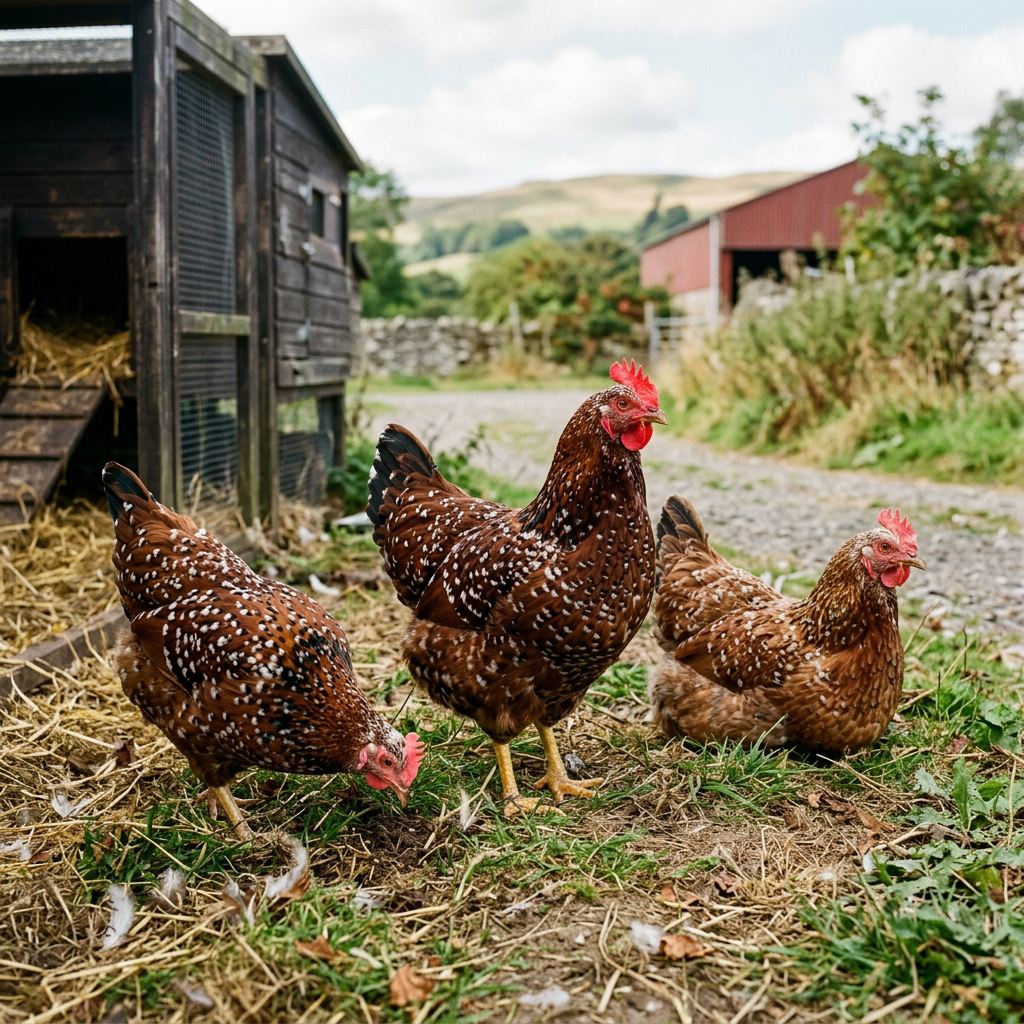
Superior Foraging Skills
One of the standout traits of the Speckled Sussex is their exceptional ability to find their own food. When allowed to free range, these birds spend their days scratching, pecking, and exploring every corner of their territory. They have a particular talent for locating insects, grubs, worms, seeds, and tender greens—supplementing their diet and reducing feed costs for the homesteader.
This natural foraging behavior has several benefits:
- Healthier birds: A diverse, natural diet provides micronutrients that commercial feed alone cannot supply.
- Better eggs: The deep orange yolks from free-range Speckled Sussex eggs are noticeably richer in flavor and nutrition.
- Pest control: Your garden and pasture benefit as these chickens eagerly devour ticks, grasshoppers, beetles, and other pests.
- Lower feed bills: A good forager can source 20–30% of their daily nutrition from the land.
If you’re considering adding these birds to your homestead, you can find Speckled Sussex chicks from reputable breeders to start your flock off right.
Temperament and Predator Awareness
The Speckled Sussex is famous for its calm, friendly disposition. They are curious about humans and often become quite tame with regular handling. This makes them an excellent choice for families with children who want to participate in chicken keeping. Unlike some flighty breeds that panic at every shadow, the Speckled Sussex maintains a level-headed approach to life.
However, don’t mistake their calm nature for helplessness. These birds are surprisingly alert and possess good predator awareness. When free ranging, they keep an eye on the sky for hawks and listen for the alarm calls of other flock members. Their large size—hens weigh around 7–8 pounds—makes them less vulnerable to small predators like weasels and rats compared to bantam breeds.
Still, no chicken is predator-proof. Providing adequate cover such as bushes, low-hanging branches, and purpose-built shelters gives your Speckled Sussex free range flock places to hide when danger approaches. A well-trained livestock guardian dog or a secure perimeter fence adds another layer of protection.
Egg Production on Pasture
Many keepers are surprised by just how well Speckled Sussex hens lay when given access to good pasture. While they may not match the sheer volume of production-bred hybrids, their egg-laying is steady, reliable, and sustained over many years. A healthy hen will produce approximately 180–250 eggs per year in their laying prime.
The quality of free-range eggs deserves special mention. When Speckled Sussex free range hens have access to fresh grass, bugs, and sunlight, their eggs develop:
- Thicker, harder shells
- Deep orange yolks with a creamy texture
- Higher omega-3 fatty acid content
- Superior flavor that bakers and chefs prize
For detailed numbers on what to expect, check out this comprehensive guide to Speckled Sussex egg production.
Size and Growth Rate of Speckled Sussex free range
The Speckled Sussex is classified as a heavy breed, making them dual-purpose birds suitable for both eggs and meat. Understanding their size helps you plan housing, feeding, and free-range space. Mature hens typically reach 7–8 pounds, while roosters can weigh 9–10 pounds or more.
Their growth is moderate—neither as fast as a Cornish Cross nor as slow as a heritage bantam. This steady growth contributes to their robust health and long lifespan. Because they develop at a natural pace, their legs and organs are better equipped to handle the demands of active free-range life.
To learn more about their physical characteristics, visit this resource on Speckled Sussex chicken size.
How Much Space Do They Need?
A common question for keepers transitioning to free range is how much land these birds require. The answer depends on several factors, including pasture quality and how much supplemental feed you provide. As a general guideline:
- Minimum free-range space: 250 square feet per bird for a partial free-range setup
- Ideal free-range space: 500+ square feet per bird for optimal foraging
- Pasture rotation: Dividing land into paddocks and rotating every 1–2 weeks prevents overgrazing and parasite buildup
The beauty of the Speckled Sussex free range system is its flexibility. These birds adapt well to everything from small suburban yards to sprawling farm pastures, provided their basic needs are met.
Health and Longevity of Speckled Sussex free range
One of the most appealing aspects of the Speckled Sussex is their remarkable longevity. While many commercial hybrid layers are spent after two or three years, a well-cared-for Speckled Sussex can remain productive for five to seven years—and sometimes longer. There are documented cases of these hens laying well into their eighth or ninth year.
This longevity is directly linked to their free-range lifestyle. The combination of exercise, sunlight, varied nutrition, and reduced stress keeps their immune systems strong. Common issues like obesity, bumblefoot, and reproductive disorders are far less prevalent in active, pasture-raised birds.
For a deeper dive into what influences their lifespan, read about the Speckled Sussex lifespan and how to maximize your birds’ healthy years.
Integrating Roosters into the Flock
If you plan to breed your Speckled Sussex or simply want a rooster for flock protection, you’ll be pleased to know that Sussex roosters have an excellent reputation. They are known for being gentlemanly toward hens—ensuring the females eat first and alerting them to danger without being overly aggressive toward humans.
A good rooster dramatically improves the safety of your Speckled Sussex free range operation. He will patrol the perimeter, sound alarms at threats, and even fight off smaller predators. If you are looking for a quality rooster, consider exploring options for quality Sussex roosters for sale.
Care Requirements for Free-Range Sussex
Caring for free-range Speckled Sussex is straightforward, but a few key practices will keep your flock thriving:
Shelter and Roosting
Even with full free-range access, your birds need a secure coop for nighttime protection. Plan for at least 4 square feet of coop space per bird. Sussex prefer wide, flat roosts about 2–3 inches across, as their large feet don’t grip narrow perches comfortably.
Feeding of Speckled Sussex free range
While free ranging reduces feed consumption, always provide a balanced layer feed as a base. During winter months or when pasture quality declines, your birds will rely more heavily on supplemental feed. Grit and oyster shell should be available at all times.
Water
Fresh, clean water is non-negotiable. In summer, place water stations in shaded areas near foraging zones. In winter, use heated waterers to prevent freezing.
Health Checks
Regular handling helps you spot issues early. Check for external parasites, foot health, and body condition. The Speckled Sussex’s dense feathering can sometimes hide mites, so periodic inspection is wise.
For a complete care guide, refer to this detailed article on Speckled Sussex chicken care.
Seasonal Considerations of Speckled Sussex for free range
Spring and Summer
These are the golden months for Speckled Sussex free range enthusiasts. Your birds will be at their most active, laying consistently, and enjoying long days of foraging. Monitor for heat stress during summer heatwaves—provide shade, ventilation, and frozen treats to help them cope.
Autumn
As days shorten, egg production may decline. Your birds will focus on building fat reserves for winter. Allow them extra foraging time to take advantage of autumn insect activity and falling seeds.
Winter
The Speckled Sussex handles cold weather exceptionally well thanks to their dense plumage. They will continue to forage even in light snow, though they may venture out less on bitter days. Ensure their coop is draft-free but well-ventilated, and consider adding supplemental light if you want to maintain winter egg production.
Breeding Your Own Speckled Sussex free range
One of the great joys of keeping Speckled Sussex is the ability to breed your own replacement stock. Because they are a heritage breed with strong genetics, you can maintain a self-sustaining flock without buying new birds each year.
Broodiness in Speckled Sussex hens varies. Some lines retain strong broody instincts and make excellent mothers, while others have been selected away from broodiness for better egg production. If you want to hatch chicks naturally, look for broody-friendly lines.
Alternatively, you can use an incubator to hatch eggs from your best birds. Chicks mature relatively quickly and will be ready to join the free-range flock by 8–12 weeks of age, given proper protection during the transition.
If you’re ready to start or expand your flock, here is where you can find Speckled Sussex chickens for sale.
The Case for Free Range Speckled Sussex
Why go through the effort of setting up a free-range system? The benefits extend far beyond the birds themselves:
- Soil health: Chicken manure is a rich, natural fertilizer. Their scratching aerates the soil, improving water infiltration and microbial activity.
- Biodiversity: Free-range chickens contribute to a balanced ecosystem, controlling pests and dispersing seeds.
- Animal welfare: There is simply no substitute for watching chickens express their full range of natural behaviors in an open environment.
- The keeper’s joy: There is something deeply satisfying about seeing your Speckled Sussex happily grazing at dusk, their speckled feathers catching the golden light.
The Speckled Sussex free range lifestyle creates healthier birds, better eggs, and a more rewarding experience for the keeper.
Common Mistakes to Avoid when it comes to Speckled Sussex
Even seasoned keepers can stumble when transitioning to free range. Here are pitfalls to watch for:
- Letting birds out too young: Chicks under 8 weeks should stay in a secure brooder. Even older pullets need a supervised introduction to free range.
- Inadequate predator proofing: Foxes, raccoons, and hawks are relentless. Electric fencing, netting, and locked coops are worth the investment.
- Overstocking pasture: Too many birds on too little land leads to bare soil, parasite buildup, and disease. Rotate pastures and respect carrying capacity.
- Neglecting supplemental feed: Even excellent foragers need a balanced diet. Layer feed provides calcium and protein that free-ranging alone cannot guarantee.
For more detailed information on these birds, including availability and pricing, check out this page on Speckled Sussex for sale.
Conclusion for Speckled Sussex free range
The Speckled Sussex is, without question, one of the finest free-range chicken breeds available to the modern homesteader. Their blend of beauty, hardiness, foraging ability, egg production, and gentle temperament is hard to beat. Whether you are a first-time chicken keeper or an experienced farmer looking to diversify your flock, this breed delivers on every front.
By embracing the Speckled Sussex free range lifestyle, you are not just raising chickens—you are participating in a tradition of sustainable, ethical animal husbandry that goes back centuries. Your birds will reward you with delicious eggs, lively companionship, and the simple pleasure of watching them thrive in the environment they were born to enjoy.
If you are inspired to add these wonderful birds to your homestead, explore your options at reputable sources like Layers Farm to find quality stock. Your free-range flock is waiting.
Looking to learn more about heritage chicken breeds? Check out The Livestock Conservancy’s guide to heritage breeds for additional resources on breed preservation and sustainable poultry keeping.