
Rhode Island Red Chick Care and Feeding Guide
Rhode Island Red chick care are one of the most popular and resilient breeds for backyard poultry enthusiasts in the United States. Known for their hardiness, excellent egg-laying capabilities, and friendly temperament, these birds make a great addition to any flock. This guide will provide you with essential information on caring for and feeding Rhode Island Red chicks, ensuring they grow into healthy and productive adults.
Introduction to Rhode Island Reds
Originating in the early 19th century in Rhode Island, these birds were bred for both meat and egg production. Their adaptability to various climates and conditions makes them an excellent choice for many chicken keepers. Rhode Island Reds are particularly known for their rich brown eggs and robust health, which contributes to their popularity.
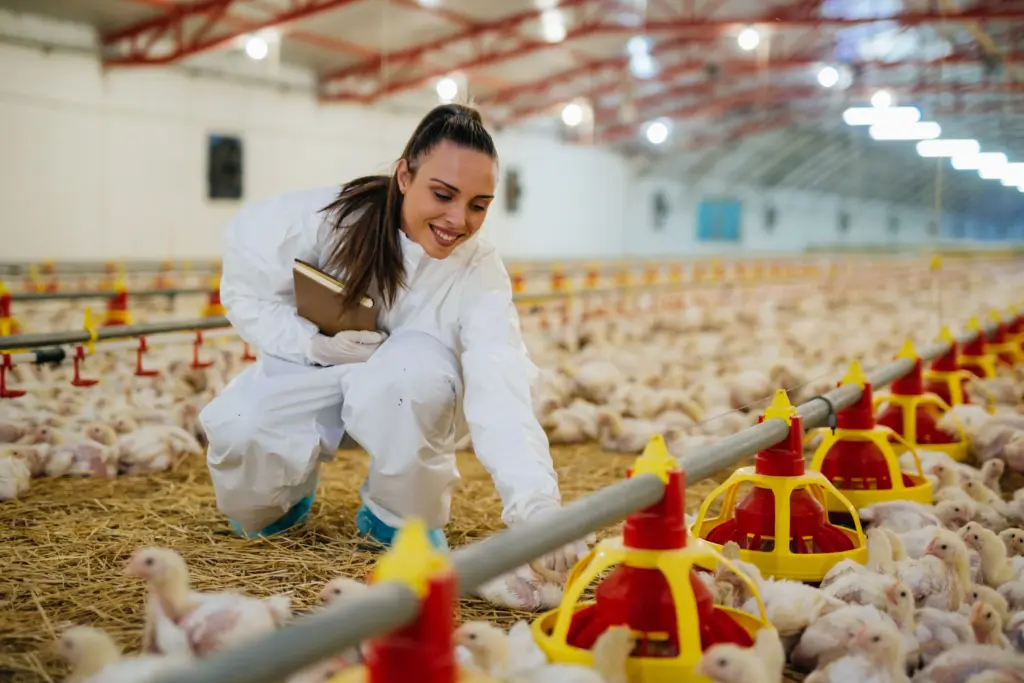
Choosing Your Chicks (Rhode Island Red Chick Care)
When selecting Rhode Island Red chicks, it’s essential to choose a reputable source. Look for hatcheries or farms that prioritize health and genetics. One such source is Layers Farm, which offers high-quality Rhode Island Red chicks. Ensure that the chicks are active and healthy, showing no signs of illness.
Setting Up Your Brooder
Brooder Requirements
Before bringing your chicks home, prepare a suitable brooder. A brooder is a controlled environment that provides warmth, safety, and space for your chicks to grow. Here are the key components to consider:
- Space: Provide at least 0.5 square feet per chick in the brooder. As they grow, you’ll need to increase their space.
- Heat Source: Use a heat lamp or brooder plate to maintain a temperature of around 95°F (35°C) for the first week. Reduce the temperature by 5°F (about 3°C) each week until they are fully feathered.
- Bedding: Use pine shavings or straw as bedding. Avoid cedar shavings, as they can be harmful to chicks.
- Water and Feeders: Ensure easy access to clean water and chick starter feed. Use shallow dishes to prevent drowning.
Brooder Setup Steps
- Choose a Location: Find a quiet, draft-free area in your home or barn.
- Set Up Heating: Place the heat source at one end of the brooder to create a temperature gradient.
- Add Bedding: Spread a layer of bedding on the floor, about 1-2 inches deep.
- Install Feeders and Waterers: Position these items away from the heat source to prevent overheating.
Feeding Rhode Island Red Chicks
Starter Feed
For the first 6-8 weeks, feed your Rhode Island Red chicks a high-quality starter feed with at least 18-20% protein. This protein is crucial for their growth and development. Look for feeds that contain essential vitamins and minerals to support their health.
Transitioning to Grower Feed
After the initial weeks, transition to a grower feed with 16-18% protein. This feed will support their continued growth while preparing them for the next stage of life.
Supplementing Their Diet
In addition to commercial feed, you can supplement your chicks’ diet with:
- Fresh Greens: Offer small amounts of chopped greens like spinach, kale, or lettuce.
- Grains: Whole grains such as oats or corn can be introduced gradually.
- Protein Sources: Mealworms or finely chopped hard-boiled eggs can provide additional protein.
Water
Always provide fresh, clean water. Change it daily and ensure the waterers are shallow to prevent drowning. During hot weather, consider adding ice cubes to keep the water cool.
Health and Wellness Rhode Island Red Chick Care
Monitoring Health
Regularly check your Rhode Island Red chicks for signs of illness, such as lethargy, abnormal droppings, or lack of appetite. Early detection is crucial for effective treatment.
Vaccinations
Consult with a veterinarian about necessary vaccinations. Common vaccinations for chicks include Marek’s disease and coccidiosis prevention.
Biosecurity Measures
Maintain a clean environment to prevent disease. Regularly clean the brooder and change bedding. Limit visitors to your flock and avoid introducing new birds without proper quarantine.
Socialization and Handling
Get your chicks accustomed to human interaction from an early age. Gently handle them daily to build trust. This socialization will help them become friendly and approachable adults.
Moving to the Coop
Timing
Around 6-8 weeks of age, when your chicks are fully feathered and the weather is mild, it’s time to move them to the coop. Ensure the coop is secure, well-ventilated, and free from drafts.
Coop Requirements
- Space: Provide at least 4 square feet per bird inside the coop and 10 square feet in an outdoor run.
- Nesting Boxes: Install nesting boxes for laying hens, typically one box for every 3-4 hens.
- Roosting Bars: Provide roosting bars for the chickens to perch on at night.
Conclusion on Rhode Island Red Chick Care
Caring for Rhode Island Red chicks involves attention to their environment, diet, and health needs. By following this guide, you will set your chicks up for a healthy and productive life. For more information and quality chicks, check out Layers Farm.
Additional Resources
- American Poultry Association: A great resource for poultry care and standards.
- Backyard Chickens: A community forum with tips and advice from experienced chicken keepers.
- The Chicken Chick: Offers a wealth of information on chicken care, including health and nutrition.
By investing time and effort into your Rhode Island Red chicks, you will enjoy the rewards of fresh eggs and companionship from these delightful birds. Happy chicken keeping!