
How to Increase Egg Production : A Comprehensive Guide
how to increase egg production. Egg production is a critical aspect of poultry farming, and understanding how to optimize it can lead to greater profitability and sustainability. Whether you’re a small-scale backyard farmer or managing a large commercial operation, there are several strategies you can implement to enhance egg production in your hens. This guide will explore various factors that influence egg production and provide actionable tips to help you achieve your goals.
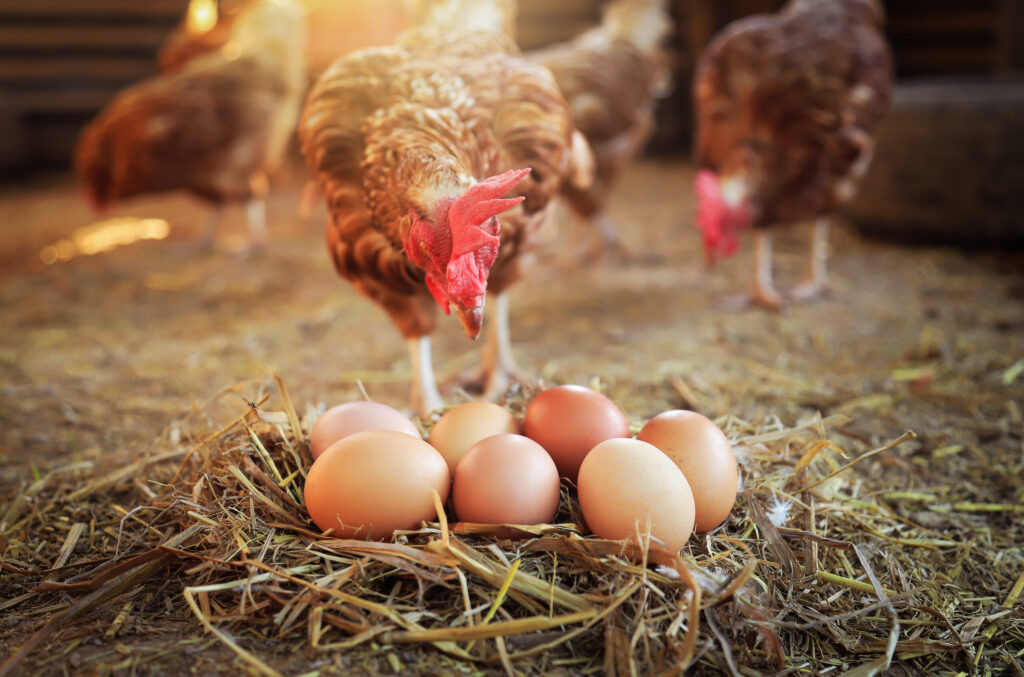
Understanding Egg Production
Egg production in hens is influenced by several factors, including breed, age, nutrition, housing conditions, and management practices. The average laying hen can produce anywhere from 250 to 300 eggs per year, but this number can vary significantly based on the aforementioned factors.
1. Choosing the Right Breed(best chicken breeds for egg production)
The first step on how to increase egg production is selecting the right breed of chicken. Some breeds are known for their higher egg-laying capabilities. Here are a few popular egg-laying breeds:
- Leghorn: Known for their prolific egg-laying, Leghorns can produce up to 300 eggs per year.
- Rhode Island Red: These birds are hardy and can lay around 250-300 eggs annually.
- Plymouth Rock: A dual-purpose breed, Plymouth Rocks can produce approximately 200-250 eggs per year.
- Australorp: This breed is known for its excellent egg-laying ability, averaging around 250-300 eggs per year.
By choosing a high-producing breed, you set a solid foundation for maximizing egg production.
2. Nutrition and Diet(best feed for laying hens)
A balanced diet is crucial for optimal on how to increase egg production. Hens require a diet rich in essential nutrients, including proteins, vitamins, and minerals. Here are some key dietary components to consider:
- Protein: Hens need a protein-rich diet to support egg production. Aim for a feed with at least 16-18% protein content. Ingredients like soybean meal, fish meal, and alfalfa can boost protein levels.
- Calcium: Calcium is vital for strong eggshell formation. Provide crushed oyster shells or limestone as a calcium supplement.
- Vitamins and Minerals: Ensure your hens receive adequate vitamins A, D, and E, as well as minerals like phosphorus and selenium. These nutrients play a significant role in reproductive health.
3. Proper Housing Conditions
The environment in which hens are housed significantly impacts their productivity. Here are some housing considerations:
- Space: Provide enough space for hens to move freely. Overcrowding can lead to stress, aggression, and reduced egg production. A general guideline is to allow at least 4 square feet per hen in the coop and 10 square feet in the outdoor run.
- Ventilation: Proper ventilation helps maintain a comfortable temperature and reduces humidity, which can affect egg production. Ensure that your coop has adequate airflow.
- Lighting: Hens require a consistent light schedule to stimulate egg production. Aim for 14-16 hours of light per day. You can use artificial lighting to extend daylight hours during shorter seasons.
4. Vitamins That Improve Egg Production (Health Management)
Maintaining the health of your flock is essential for maximizing egg production. Here are some health management strategies:
- Vaccination: Ensure your hens are vaccinated against common diseases such as Marek’s disease, Newcastle disease, and infectious bronchitis.
- Biosecurity: Implement biosecurity measures to prevent the introduction of diseases. This includes controlling access to your poultry area and regularly cleaning and disinfecting equipment.
- Regular Health Checks: Monitor your hens for signs of illness or distress. Early detection of health issues can prevent declines in egg production.
5. Stress Reduction
Stress can have a detrimental effect on egg production. Here are some strategies to minimize stress in your flock:
- Gentle Handling: Handle your hens gently and calmly to reduce fear and stress.
- Minimize Noise: Loud noises can scare hens and disrupt their laying patterns. Keep the coop environment quiet and calm.
- Consistent Routine: Hens thrive on routine. Try to maintain a consistent feeding and management schedule.
6. Breeding Practices on how to increase egg production
If you’re breeding your hens, consider the following practices to increase egg production:
- Selective Breeding: Choose hens that consistently lay well and breed them to pass on their traits to the next generation.
- Culling: Regularly evaluate your flock and cull hens that are poor layers. This ensures that only the best egg producers remain in your breeding program.
7. Monitoring and Record Keeping
Keep detailed records of egg production, feed consumption, and health status. This data can help you identify trends and make informed decisions. Here are some key metrics to track:
- Egg Count: Monitor the number of eggs produced daily or weekly.
- Feed Conversion Ratio: Calculate the amount of feed consumed per dozen eggs produced to assess the efficiency of your feeding program.
- Health Incidents: Record any health issues or treatments administered to your flock.
8. Seasonal Considerations
Egg production can fluctuate with the seasons. Here are some tips to manage seasonal changes:
- Winter: Hens may lay fewer eggs in colder months due to reduced daylight. Consider using supplemental lighting to maintain egg production.
- Summer: Heat stress can negatively impact laying. Ensure that hens have access to shade, fresh water, and proper ventilation during hot weather.
Conclusion on common mistake farmer make
Increasing egg production requires a multifaceted approach that encompasses breed selection, nutrition, housing, health management, and stress reduction. By implementing these strategies, you can create an environment that supports optimal egg-laying performance in your hens. Remember that patience and consistency are key; it may take time to see significant improvements in egg production. With careful management and attention to detail, you can achieve your goals and enjoy the benefits of a productive flock.
By focusing on these essential areas, you can ensure that your hens remain healthy, happy, and productive, ultimately leading to increased egg production and a successful poultry operation.