
If you’re looking to raise chickens, ISA Brown hens are an excellent choice for both beginners and seasoned poultry enthusiasts. Known for their friendly temperament and prolific egg-laying capabilities, these birds can be a delightful addition to your backyard farm. In this comprehensive guide, we will explore everything you need to know about caring for ISA Brown chickens, including their feeding requirements, health considerations, and tips for maximizing egg production.
What are ISA brown hens?
ISA Brown hens are a hybrid breed developed for optimal egg production. They are renowned for their ability to lay a large number of brown eggs consistently. These hens are not only productive but also hardy and adaptable to various environments, making them ideal for backyard settings.
For more information on the best laying hens for beginners, check out this guide.
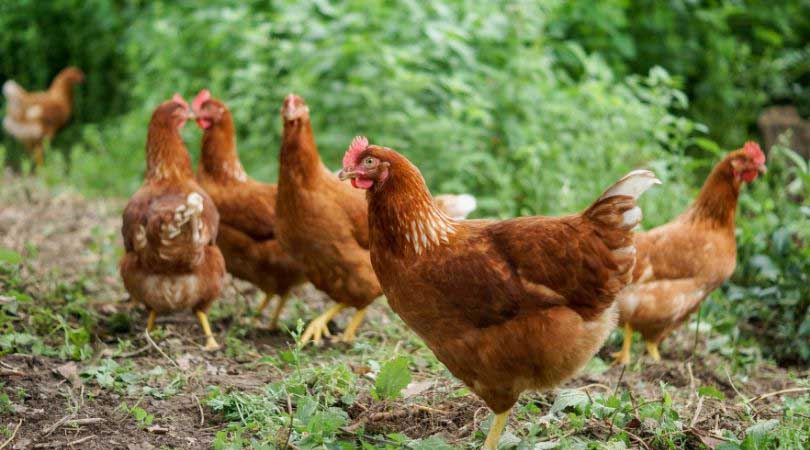
The Benefits of Raising ISA Brown Hens
High Egg Production
One of the main reasons people choose ISA Brown hens is their exceptional egg-laying capabilities. An ISA Brown hen can lay approximately 300 eggs per year, making them one of the most productive layers available. This high yield is particularly beneficial for families or small farms looking to supply their own eggs.
Friendly Temperament
ISA Brown hens are known for their calm and friendly demeanor. They are sociable birds that tend to get along well with both humans and other chickens. This makes them an excellent choice for families with children or those new to poultry keeping.
Adaptability
These hens thrive in various climates, making them versatile for different geographical locations. Whether you live in a hot or cold environment, ISA Brown chickens can adapt well, provided they have proper shelter and care.
Care for ISA Brown Hens
Housing Requirements
When it comes to housing your ISA Brown hens, there are several factors to consider:
- Space: Each hen requires at least 4 square feet of space in the coop and 10 square feet in an outdoor run. This ensures they have enough room to move around freely and reduces stress.
- Ventilation: Good airflow is essential to prevent respiratory issues. Ensure that your coop has adequate ventilation while protecting the hens from drafts.
- Nesting Boxes: Provide one nesting box for every 3-4 hens. This encourages them to lay eggs comfortably and reduces competition.
Feeding ISA Brown Hens
Proper nutrition is crucial for the health and productivity of your ISA Brown hens. Here’s a breakdown of their dietary needs:
Starter Feed
For chicks, start with a high-quality starter feed that contains about 20-24% protein. This will support their growth and development during the first few weeks of life.
Grower Feed
As they grow, transition to grower feed with around 16-18% protein. This feed helps them develop muscle and prepares them for egg production.
Layer Feed
Once your hens start laying eggs, switch to layer feed containing 16-18% protein and added calcium. Calcium is essential for strong eggshells, ensuring that your hens produce high-quality eggs.
Fresh Water
Always provide fresh, clean water. Hens need plenty of water to stay hydrated and support their egg production. Change the water daily to prevent contamination.
Health Considerations for ISA Brown Hens
Regular Health Checks
Conduct regular health checks on your ISA Brown chicken to catch any potential issues early. Look for signs of illness such as:
- Changes in eating or drinking habits
- Lethargy or decreased activity
- Abnormal droppings
- Feather loss or poor feather condition
Vaccinations and Preventive Care
Consult with a veterinarian to establish a vaccination schedule for your hens. Common vaccinations for poultry include:
- Marek’s disease
- Newcastle disease
- Infectious bronchitis
Regular vaccinations can help prevent diseases that can affect your flock’s health and productivity.
Parasite Control
Parasites can be a significant issue for chickens. Regularly check for signs of mites, lice, and worms. Implement a parasite control program, which may include:
- Regular dusting with diatomaceous earth
- Administering dewormers as needed
- Keeping the coop clean to reduce parasite populations
Maximizing Egg Production
Lighting
ISA Brown hens require about 14-16 hours of light per day to maintain optimal egg production. If you’re raising them in a location with limited daylight during certain seasons, consider using artificial lighting to extend their exposure.
Stress Reduction
Minimize stressors in their environment, such as loud noises or aggressive flock members. Stress can lead to decreased egg production and health issues.
Proper Nutrition
Ensure that your hens receive a balanced diet with all necessary nutrients. A lack of essential vitamins and minerals can affect egg production and overall health.
Conclusion on ISA Brown hens
Raising ISA Brown hens can be a rewarding experience, providing you with a steady supply of fresh eggs and the joy of keeping chickens. By understanding their care needs, feeding requirements, and health considerations, you can ensure that your hens thrive in your backyard. For those interested in purchasing ISA Brown chickens, check out this link for more information.
For additional insights on chicken care and management, you can visit The Chicken Chick, a fantastic resource for poultry enthusiasts.
By following this ultimate guide, you’ll be well on your way to becoming a successful ISA Brown hen owner. Happy farming!