Poultry Farming Business Guide
Poultry Farming Business Guide is a lucrative venture that has gained significant popularity in recent years. With the global demand for poultry products such as eggs and meat on the rise, starting a poultry farming business can be a rewarding opportunity. This guide will provide you with comprehensive insights into the poultry farming business, covering everything from planning and setup to management and marketing strategies.
1. Understanding the Poultry Farming Business
1.1 What is Poultry Farming?
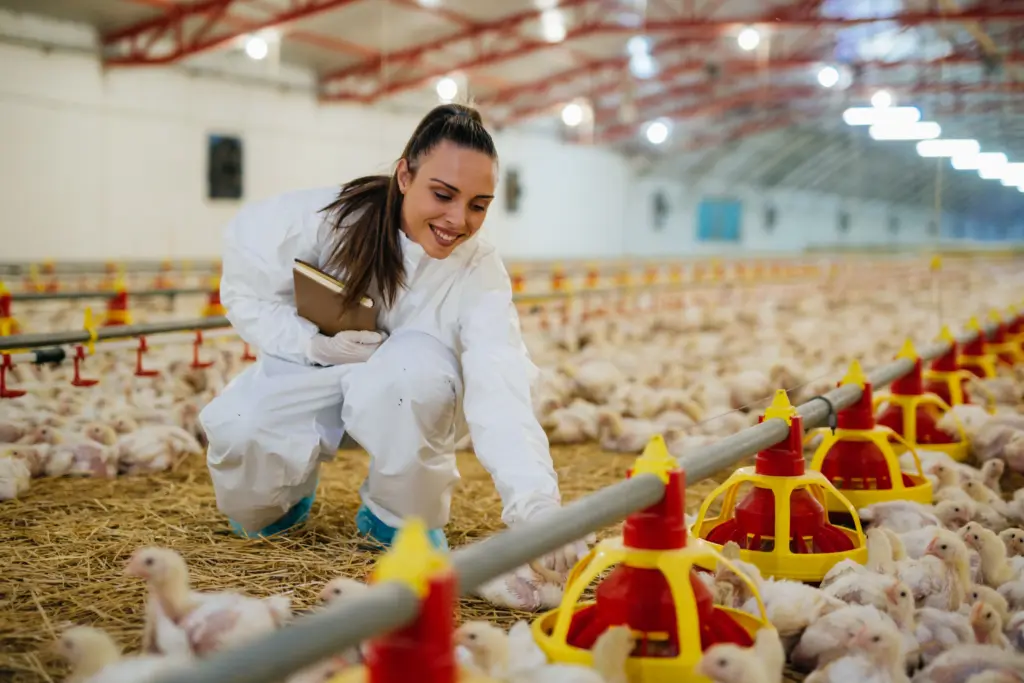
Poultry farming involves the breeding and raising of domesticated birds, primarily chickens, ducks, turkeys, and geese, for their meat and eggs. It is one of the most common forms of livestock farming and can be done on a small scale or a large commercial scale.
1.2 Types of Poultry Farming
- Layer Farming: Focuses on producing eggs. Layers are hens bred specifically for high egg production.
- Broiler Farming: Concentrates on raising chickens for meat. Broilers are bred to grow quickly and efficiently.
- Dual-Purpose Farming: Involves raising birds that can produce both meat and eggs, such as certain breeds of chickens.
2. Planning Your Poultry Farming Business
2.1 Market Research
Before starting your poultry farming business, conduct thorough market research to understand the demand for poultry products in your area. Identify your target market, which could include local consumers, restaurants, or grocery stores.
2.2 Business Plan for Poultry Farming Business
Develop a detailed business plan that outlines your goals, target market, budget, and operational strategies. Your business plan should include:
- Executive Summary: A brief overview of your business concept.
- Market Analysis: Insights into the poultry market and competition.
- Operational Plan: Details on how you will manage your farm.
- Financial Plan: Budget estimates, funding sources, and expected profits.
2.3 Legal Requirements
Familiarize yourself with the legal requirements for starting a poultry farming business in your region. This may include obtaining permits, licenses, and adhering to health and safety regulations.
3. Setting Up Your Poultry Farm
3.1 Choosing the Right Location
Select a suitable location for your poultry farm. Consider factors such as:
- Accessibility: Proximity to markets and suppliers.
- Land Size: Adequate space for housing and free-range areas.
- Water Supply: Access to clean water for your birds.
3.2 Housing and Equipment
Design and construct appropriate housing for your poultry. Key considerations include:
- Type of Housing: Choose between conventional barns, free-range systems, or organic setups.
- Ventilation: Ensure proper airflow to maintain a healthy environment.
- Nesting Boxes: Provide comfortable nesting areas for laying hens.
- Feeding and Watering Systems: Invest in automated feeders and waterers for efficiency.
3.3 Selecting Poultry Breeds for Poultry Farming Business
Choose the right breeds based on your farming goals. For egg production, consider breeds like:
- Leghorn: High egg production, hardy, and efficient.
- Rhode Island Red: Dual-purpose breed known for hardiness.
For meat production, popular breeds include:
- Broilers: Fast-growing and efficient in feed conversion.
- Turkeys: Raised for meat, especially during holidays.
4. Managing Your Poultry Farm
4.1 Feeding and Nutrition
Provide a balanced diet tailored to the specific needs of your poultry. Key components include:
- Layer Feed: High in calcium for laying hens.
- Broiler Feed: High in protein for rapid growth.
- Supplements: Consider adding vitamins and minerals to enhance health.
4.2 Health Management for Poultry Farming Business
Maintain the health of your flock through:
- Vaccination: Implement a vaccination schedule to prevent diseases.
- Biosecurity Measures: Minimize the risk of disease by controlling access to your farm and maintaining cleanliness.
- Regular Health Checks: Monitor your birds for signs of illness and seek veterinary assistance when needed.
4.3 Record Keeping
Keep detailed records of your poultry farm operations, including:
- Inventory: Track the number of birds, their ages, and production rates.
- Expenses and Income: Monitor your financial performance to identify trends and make informed decisions.
5. Marketing Your Poultry Products
5.1 Branding and Packaging
Create a brand identity for your poultry products. Consider:
- Brand Name: Choose a memorable name that reflects your business values.
- Packaging: Invest in attractive packaging that highlights the quality of your products.
5.2 Sales Channels for Poultry Farming Business
Explore various sales channels to reach your target market:
- Local Markets: Sell directly to consumers at farmers’ markets or local events.
- Online Sales: Set up an e-commerce platform to reach a broader audience.
- Wholesale: Partner with grocery stores, restaurants, and distributors.
5.3 Promotion Strategies
Utilize marketing strategies to promote your poultry products:
- Social Media: Leverage platforms like Instagram and Facebook to showcase your farm and products.
- Website: Create a professional website to provide information and facilitate online orders.
- Community Engagement: Participate in local events and sponsor community initiatives to build brand awareness.
6. Challenges in Poultry Farming Business
6.1 Disease Outbreaks
Be prepared for potential disease outbreaks that can affect your flock. Implement strict biosecurity measures and stay informed about common poultry diseases.
6.2 Market Fluctuations
The poultry market can be volatile, with prices fluctuating based on supply and demand. Stay adaptable and consider diversifying your product offerings to mitigate risks.
6.3 Regulatory Changes
Stay updated on changes in regulations that may affect your poultry farming business. Compliance with health and safety standards is crucial for long-term success.
Conclusion on Poultry Farming Business
Starting a poultry farming business can be a fulfilling and profitable endeavor. By conducting thorough research, planning effectively, and managing your farm efficiently, you can establish a successful poultry farming operation. Remember to stay informed about industry trends and continuously seek ways to improve your practices. With dedication and hard work, your poultry farming business can thrive in the competitive market.