
Rhode Island Red vs. Plymouth Rock. When it comes to choosing the right chicken breed for your backyard flock, two popular options often come to mind: the Rhode Island Red and the Plymouth Rock. Both breeds have their unique characteristics, advantages, and suitability for different farming situations. In this article, we will delve into the specifics of each breed, comparing their traits, temperament, egg production, and more, to help you make an informed decision.
Overview of the Breeds between Rhode Island Red vs. Plymouth Rock
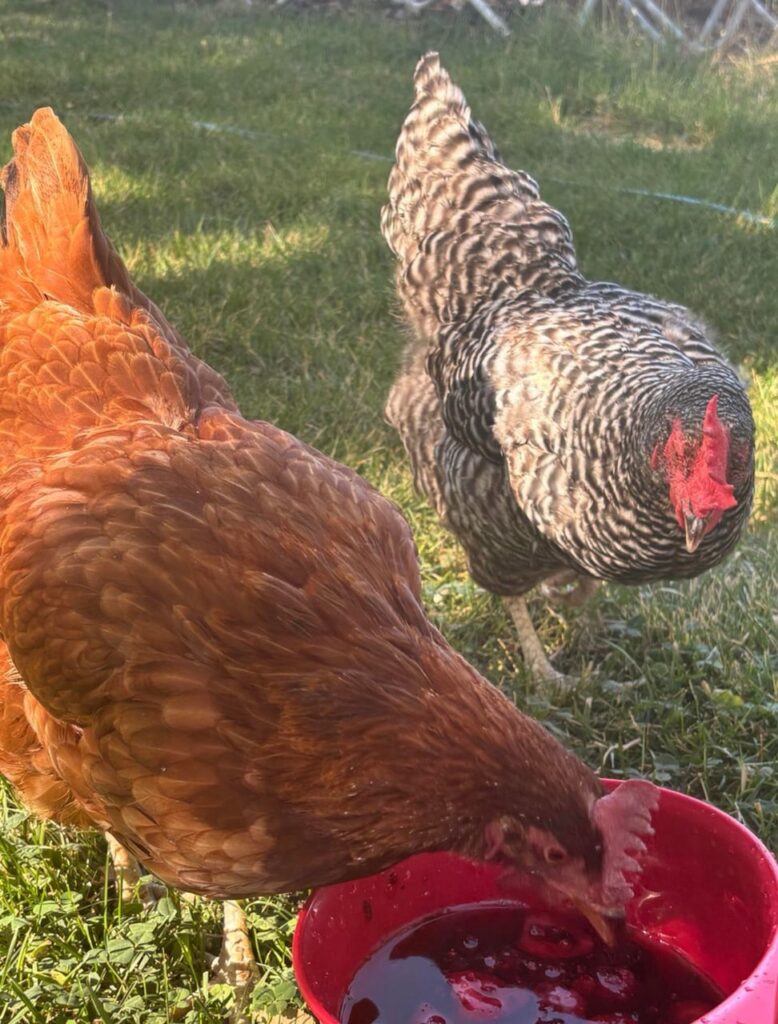
Rhode Island Red
The Rhode Island Red is a classic American breed known for its hardiness and excellent egg-laying capabilities. Originating in the 19th century in Rhode Island, these birds were bred for both meat and egg production. Their deep red plumage and calm demeanor make them a favorite among backyard chicken enthusiasts.
Key Features:
- Color: Dark red feathers
- Size: Medium to large
- Egg Production: Approximately 250-300 brown eggs per year
- Temperament: Generally calm and friendly
For more information on Rhode Island Red chickens, check out this link.
Plymouth Rock chicken
The Plymouth Rock, also known as the Barred Rock, is another popular breed that has been cherished by poultry keepers for generations. This breed is easily recognizable by its striking black and white striped feathers. Developed in the United States in the 19th century, Plymouth Rocks are valued for their dual-purpose capabilities, providing both meat and eggs.
Key Features:
- Color: Black and white striped (barred)
- Size: Medium
- Egg Production: Approximately 200-250 brown eggs per year
- Temperament: Friendly and sociable
Comparing Rhode Island Red Vs. Plymouth Rock
Appearance
Rhode Island Red:
- The Rhode Island Red has a uniform dark red color, which can vary slightly in shade. Their feathers are smooth and shiny, giving them a robust appearance.
Plymouth Rock:
- The Plymouth Rock’s distinctive barred pattern makes it visually striking. The alternating black and white stripes create a beautiful contrast, making them a favorite for those who appreciate aesthetics in their flocks.
Temperament and Behavior
Both breeds are known for their friendly nature, but there are some differences in their behavior:
- Rhode Island Red: Generally calm and easy to handle, Rhode Island Reds are known for their hardiness and adaptability. They tend to be less flighty than other breeds and are often quite curious.
- Plymouth Rock: These birds are sociable and enjoy being around people. They are known for their friendly disposition and are often described as playful and inquisitive.
Egg Production for Rhode Island Red vs. Plymouth Rock
When it comes to egg production, both breeds are reliable layers, but there are some differences:
- Rhode Island Red: This breed is renowned for its prolific egg-laying capabilities, producing around 250-300 brown eggs annually. They are known to lay consistently, even in colder months.
- Plymouth Rock: While slightly less prolific than the Rhode Island Red, Plymouth Rocks still provide a respectable egg yield of about 200-250 brown eggs per year. They are also known to be good layers throughout the year.
Hardiness and Adaptability
Both breeds are known for their resilience and ability to adapt to various environments:
- Rhode Island Red: These birds thrive in a range of climates and are particularly hardy in colder weather. Their ability to forage and find food makes them suitable for free-range systems.
- Plymouth Rock: Similarly, Plymouth Rocks are adaptable and can handle different climates. They are also good foragers but may require more shelter from extreme weather conditions compared to Rhode Island Reds.
Space Requirements
Both breeds require adequate space to thrive, but their space needs can vary slightly:
- Rhode Island Red: A minimum of 4 square feet per bird in the coop and 10 square feet in the run is recommended. They are relatively low-maintenance in terms of space.
- Plymouth Rock: Similar space requirements apply, with 4 square feet per bird in the coop and 10 square feet in the run. However, they may benefit from a slightly larger area due to their playful nature.
Choosing the Right Breed for Your Flock
When deciding between Rhode Island Reds and Plymouth Rocks, consider the following factors:
- Purpose: If your primary goal is high egg production, Rhode Island Reds might be the better choice. However, if you value a friendly bird that is good for both eggs and meat, Plymouth Rocks are excellent.
- Temperament: Both breeds are friendly, but if you prefer a bird that is particularly sociable and playful, Plymouth Rocks may suit you better.
- Climate: Consider your local climate. Rhode Island Reds are particularly hardy in cold weather, while Plymouth Rocks may need more protection from harsh conditions.
- Space Availability: Ensure you have enough space for the breed you choose, as both require adequate room to roam and forage.
- Aesthetic Preference: If you appreciate a visually striking bird, the Plymouth Rock’s barred feathers may appeal to you more than the solid red of the Rhode Island Red.
Conclusion on Rhode Island Red vs. Plymouth Rock
In summary, both the Rhode Island Red and Plymouth Rock are excellent choices for backyard poultry enthusiasts. Each breed has its unique strengths, making them suitable for various farming situations. Whether you prioritize egg production, temperament, or hardiness, understanding the differences between these two breeds will help you make an informed decision.
For more detailed information on Rhode Island Red chickens, including purchasing options, visit Layers Farm.
External Resources
- The Livestock Conservancy – For more information on heritage breeds.
- Backyard Chickens – A community for chicken enthusiasts.
- Poultry One – Insights on raising various chicken breeds.
By considering the traits and needs of both the Rhode Island Red and Plymouth Rock, you can create a thriving and productive backyard flock that meets your specific needs. Happy chicken keeping!