
How to Raise Rhode Island Red Chickens
How to Raise Rhode Island Red Chickens. Raising chickens can be a rewarding experience, especially when you choose a breed as versatile and hardy as the Rhode Island Red. Known for their excellent egg production and adaptability, Rhode Island Reds are a favorite among backyard poultry enthusiasts. In this guide, we’ll cover everything you need to know about raising Rhode Island Red chickens, from their care requirements to their benefits and some tips for ensuring their health and productivity.
What Are Rhode Island Red Chickens?
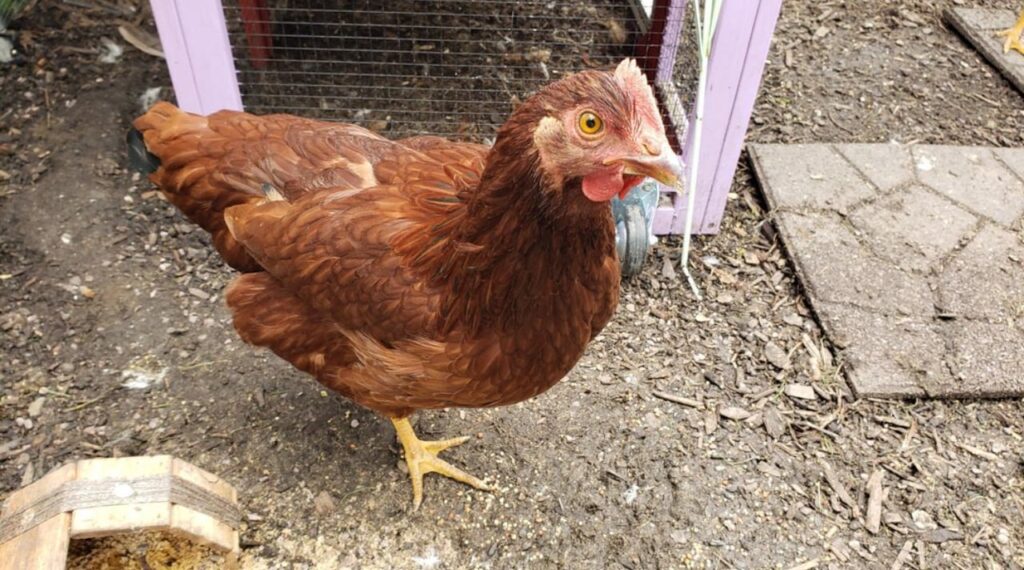
Rhode Island Red chickens are a breed developed in the late 1800s in the United States. They are known for their rich, mahogany-colored feathers and their calm demeanor. Here are some key characteristics of Rhode Island Reds:
- Hardiness: They can thrive in various climates, making them suitable for many regions.
- Egg Production: Rhode Island Reds are prolific layers, producing around 250-300 large brown eggs per year.
- Dual Purpose: They are not only good layers but also have decent meat quality, making them a dual-purpose breed.
- Temperament: Generally friendly and easy to handle, they are great for families.
Setting Up Your Chicken Coop
Before you bring your Rhode Island Reds home, you need to set up a suitable environment for them. Here are some essentials for your chicken coop:
Space Requirements on How to Raise Rhode Island Red Chickens
- Coop Size: Each chicken requires about 4 square feet of space inside the coop and 10 square feet in the run. For a small flock of six chickens, a coop of at least 24 square feet is recommended.
- Roosting Space: Provide roosts that are 2-3 feet off the ground. Chickens prefer to sleep off the ground to feel safe from predators.
Ventilation and Light on How to Raise Rhode Island Red Chickens
Good ventilation is crucial for preventing respiratory problems. Ensure your coop has windows or vents that can be opened. Additionally, chickens need light for laying eggs, so consider installing a light source that mimics natural sunlight during the winter months.
Nesting Boxes
Provide one nesting box for every 3-4 hens. The boxes should be about 12 inches square and filled with straw or wood shavings to provide comfort for the hens while laying eggs.
Feeding Your Rhode Island Reds
A balanced diet is essential for the health and productivity of your chickens. Here’s what you need to know about feeding Rhode Island Reds:
Commercial Feed
- Layer Feed: Start your hens on a high-quality layer feed once they reach 18 weeks old. This feed is formulated to meet their nutritional needs and will help them produce healthy eggs.
- Protein: Look for feeds with at least 16-18% protein content, as this is vital for egg production.
Supplements
- Calcium: Provide crushed oyster shells or limestone to ensure your hens get enough calcium for strong eggshells.
- Greens and Vegetables: Supplement their diet with kitchen scraps, greens, and vegetables. Chickens enjoy treats like lettuce, carrots, and even fruits.
Fresh Water
Always provide fresh, clean water. Chickens need to drink a lot of water, especially during hot weather or when they are laying eggs.
Health and Care on How to Raise Rhode Island Red Chickens
Keeping your Rhode Island Reds healthy is crucial for their productivity. Here are some tips for maintaining their health:
Regular Check-ups
- Observe Behavior: Regularly check your chickens for signs of illness or distress. Healthy chickens are active and have bright eyes.
- Vaccinations: Consult with a veterinarian about vaccinations and deworming schedules to prevent common poultry diseases.
Cleanliness
- Coop Maintenance: Regularly clean the coop to prevent the buildup of waste, which can lead to health issues. Replace bedding frequently and ensure proper drainage.
- Pest Control: Keep an eye out for pests like mites and lice, which can affect your chickens’ health. Use natural remedies or consult a vet for treatment options.
Socialization and Behavior on How to Raise Rhode Island Red Chickens
Rhode Island Reds are social animals and thrive in flocks. Here’s how to ensure their social needs are met:
Flock Dynamics
- Introduce New Birds Gradually: If adding new chickens to your flock, do so gradually to minimize pecking and aggression.
- Space to Roam: Provide enough space for them to establish a pecking order without constant conflict.
Enrichment
- Toys and Activities: Chickens enjoy pecking and scratching. Provide toys, perches, and dust baths to keep them entertained and engaged.
Benefits of Raising Rhode Island Reds
Raising Rhode Island Red chickens offers numerous benefits:
- High Egg Production: With their prolific laying ability, you can expect a steady supply of fresh eggs.
- Hardy Nature: Their adaptability to various climates makes them a reliable choice for many chicken keepers.
- Family-Friendly: Their gentle temperament makes them suitable for families, especially those with children.
Conclusion on How to Raise Rhode Island Red Chickens
Raising Rhode Island Red chickens can be a fulfilling and enjoyable venture. With proper care, feeding, and attention to their health, you can ensure that your flock thrives and provides you with delicious eggs for years to come. For more information on purchasing Rhode Island Red chickens, visit Layers Farm.
Additional Resources
- Backyard Chickens – Raising Chickens
- Poultry Site – Chicken Care
- University of Florida – Chicken Care Guide
By following these guidelines, you’ll be well on your way to successfully raising Rhode Island Red chickens in your backyard. Happy chicken keeping!