Rhode Island Red Egg Production
Introduction
Rhode Island Red Egg Production. Rhode Island Reds are among the most popular and prolific egg-laying chicken breeds in the world. Known for their hardiness and adaptability, these birds are a favorite among both backyard poultry keepers and commercial egg producers. In this article, we will explore the key aspects of Rhode Island Red egg production, including their characteristics, egg-laying capabilities, care requirements, and benefits of raising this remarkable breed.
Overview of Rhode Island Reds
The Rhode Island Red chicken breed originated in the early 19th century in the United States, specifically in Rhode Island. They were developed from a mix of various breeds, including the Malay and the Brown Leghorn. The breed is renowned for its striking mahogany-red feathers, calm temperament, and exceptional egg-laying abilities.
Characteristics of Rhode Island Red Egg Production
- Hardiness: Rhode Island Reds are known for their resilience in various climates, making them suitable for both hot and cold environments.
- Temperament: These birds are friendly and easy to handle, making them great for families and beginners in poultry farming.
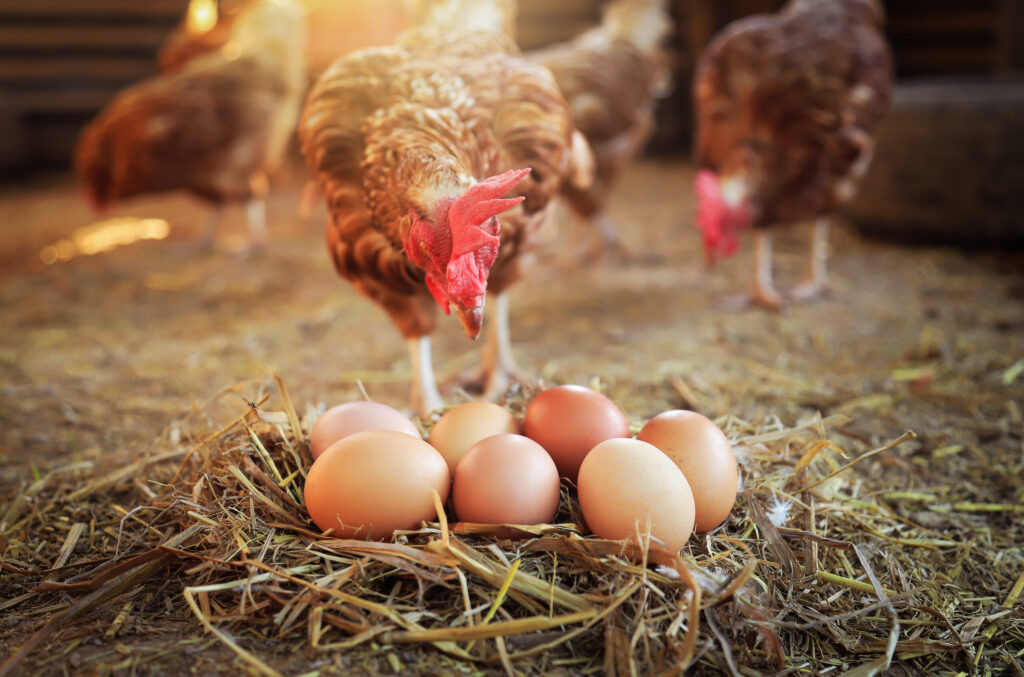
- Egg Production: Rhode Island Reds are excellent layers, producing around 250 to 300 large brown eggs per year. Their consistent egg production makes them a reliable choice for egg farmers.
Egg Production of Rhode Island Red
Egg-Laying Capacity
One of the standout features of Rhode Island Reds is their impressive egg-laying capacity. On average, a healthy Rhode Island Red hen can produce:
- 250 to 300 eggs per year: This makes them one of the top layers among heritage breeds.
- Egg Size: The eggs are typically medium to large in size, with a rich brown shell that is highly sought after in the market.
Factors Affecting Egg Production
Several factors can influence the egg production of Rhode Island Reds:
- Age: Hens typically begin laying eggs at around 5 to 6 months of age. Egg production peaks between 6 months and 2 years, after which it may gradually decline.
- Nutrition: A balanced diet rich in protein, vitamins, and minerals is crucial for optimal egg production. Layer feed formulated for hens should be provided, along with access to fresh water.
- Lighting: Hens require about 14 to 16 hours of light per day to maintain peak egg production. Supplemental lighting during shorter days can help sustain laying.
- Health: Regular health checks and vaccinations are essential to prevent diseases that can affect egg production. A healthy flock is a productive flock.
Care Requirements of Rhode Island Red Egg Production
Housing
Providing adequate housing is vital for the well-being of Rhode Island Reds. Here are some key considerations:
- Space: Each hen should have at least 4 square feet of space in the coop and 10 square feet in the run. Overcrowding can lead to stress and decreased egg production.
- Ventilation: Good airflow is essential to prevent respiratory issues and maintain a comfortable environment.
- Nesting Boxes: Provide one nesting box for every 3 to 4 hens to encourage a comfortable laying environment. Use straw or wood shavings as bedding.
Feeding
A well-balanced diet is crucial for the health and productivity of Rhode Island Reds. Consider the following:
- Layer Feed: High-quality layer feed should be the primary source of nutrition, providing the necessary protein and calcium for egg production.
- Grit: Chickens require grit to aid in digestion, especially if they are foraging for grains and seeds.
- Fresh Water: Always ensure that hens have access to clean and fresh water.
Benefits of Rhode Island Red Egg Production
- High Egg Production: As mentioned, Rhode Island Reds are prolific layers, making them a reliable source of eggs for both personal use and commercial purposes.
- Adaptability: Their ability to thrive in various climates makes them suitable for a wide range of environments, from backyard coops to large-scale farms.
- Hardiness: Rhode Island Reds are less prone to diseases and can withstand harsh weather conditions, reducing the need for extensive veterinary care.
- Family-Friendly: Their calm demeanor makes them ideal for families with children, as they are easy to handle and interact with.
Conclusion on Rhode Island Red Egg Production
In conclusion, Rhode Island Reds are a fantastic choice for anyone interested in egg production, whether on a small scale or a larger commercial operation. With their impressive egg-laying capabilities, hardiness, and friendly nature, they are a breed that can thrive in various environments. By providing proper care, nutrition, and housing, you can enjoy a steady supply of delicious brown eggs while contributing to a sustainable and rewarding hobby or business.
For those looking to start their flock, consider purchasing Rhode Island Red chickens from reputable sources. You can find quality Rhode Island Red chicks at Layers Farm.
Additional Resources
- Backyard Chickens: A Guide to Raising Rhode Island Reds
- Poultry Keeper: Care and Feeding of Rhode Island Reds
- The Chicken Chick: Rhode Island Red Breed Profile
By understanding the needs and benefits of Rhode Island Red egg production, you can embark on a fulfilling journey in poultry farming, ensuring a consistent supply of fresh eggs for your family or customers. Happy farming!