
Raising Laying Hens: Fresh Eggs and Happy Flocks
Raising laying hens has become an increasingly popular endeavor for homesteaders, backyard enthusiasts, and even urban dwellers. The allure of fresh, nutritious eggs, coupled with the joy of observing these fascinating creatures, makes it a rewarding experience. This comprehensive guide will walk you through the essential steps and best practices for successfully raising a flock of healthy, productive laying hens, ensuring a steady supply of delicious eggs and a thriving backyard ecosystem.
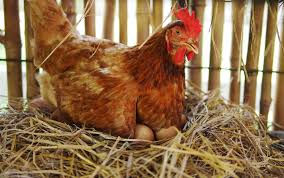
Why Raise Laying Hens?
The benefits of keeping laying hens extend far beyond just fresh eggs. These feathered friends offer a multitude of advantages that enrich both your lifestyle and your garden. Primarily, you gain access to nutritious, fresh eggs laid by your own hens. These eggs often boast richer yolks and superior flavor compared to store-bought varieties, and you have complete control over what your chickens eat, ensuring a wholesome product .
Beyond the culinary benefits, chickens are excellent for pest control, acting as natural foragers that help manage insect populations in your garden, including ticks, slugs, and various other pests . Their droppings also provide natural fertilizer; once properly composted, chicken manure is a valuable organic resource that enriches soil health and boosts plant growth . Furthermore, chickens can assist in compost turning, helping to aerate your compost pile and speed up the decomposition process.
On a personal level, chickens offer entertainment and companionship. Many owners find great joy in observing their flock’s antics and even developing bonds with individual hens . For families, raising chickens provides significant educational value, teaching children about animal care, food production, and the natural world.
Before You Begin: Check Local Ordinances
Before you even consider bringing chickens home, the absolute first step is to check your local ordinances and homeowner’s association (HOA) rules . Many towns, cities, and HOAs have specific regulations regarding backyard chickens. These can range from outright prohibitions to restrictions on the number of birds allowed, setback requirements from property lines, or even bans on roosters due to noise concerns .
It’s crucial to thoroughly research these rules to avoid potential legal issues or conflicts with neighbors. A good starting point is to search your town or city’s municipal code for terms like “poultry ordinance” or “animal control.” Understanding and adhering to these regulations from the outset will ensure a smooth and enjoyable chicken-keeping journey.
How Many Chickens Should You Get laying hens ?
Chickens are inherently social creatures and thrive in flocks. Therefore, it is generally recommended to start with at least three to five hens to ensure they have companions and feel secure . Starting with only one or two chickens can lead to loneliness and stress for the birds. For an average family, four or five hens will provide a consistent supply of eggs and plenty of entertainment.
When determining the ideal flock size, consider your family’s egg consumption and the space available. Overcrowding can lead to stress, pecking, and other behavioral issues, as well as sanitation problems. A good rule of thumb is to provide at least 4 square feet per bird inside the coop and 10-15 square feet per bird in the run . It’s always better to have a bit more space than too little.
Choosing the Right Breed for Your Flock
Selecting the right chicken breed is a crucial step in establishing a successful laying flock. Different breeds offer varying egg production rates, temperaments, and climate tolerances. Some popular and reliable laying hen breeds include:
| Breed Name | Egg Color | Eggs/Year | Temperament | Climate Tolerance |
| Rhode Island Red | Brown | 250-300 | Active, Hardy | Cold & Heat |
| Leghorn | White | 250-300 | Energetic, Flighty | Heat Tolerant |
| Plymouth Rock | Brown | 200-250 | Docile, Friendly | Cold Hardy |
| Orpington | Brown | 180-220 | Calm, Broody | Cold Hardy |
| Wyandotte | Brown | 200-240 | Docile, Hardy | Cold Hardy |
| Easter Egger | Blue/Green/Pink | 180-200 | Friendly, Curious | Adaptable |
Consider your local climate: some breeds are more tolerant of cold, while others thrive in heat. Temperament is also important, especially if you have children or other pets. Docile breeds like Orpingtons and Plymouth Rocks are often recommended for beginners and families . Researching specific breed characteristics will help you find the perfect match for your needs and environment .
Coop and Run Essentials: A Safe and Comfortable Home for Raising Laying Hens
A well-designed coop and run are fundamental to the health, safety, and productivity of your laying hens. This is where they will sleep, lay eggs, and seek shelter from the elements and predators.
The Coop
Your chicken coop must provide paramount protection from predators. It needs to be secure against common threats like raccoons, foxes, hawks, and even domestic pets. This means using sturdy materials, ensuring there are no gaps or holes, and considering hardware cloth (not chicken wire) for ventilation openings . An automatic coop door can further enhance security . Beyond security, the coop requires adequate space, aiming for at least 4 square feet per bird to prevent overcrowding, which can lead to stress and health issues . Good ventilation is also essential to prevent respiratory problems and reduce ammonia buildup, so ensure there are vents near the top of the coop, but avoid drafts directly on the birds . Chickens naturally prefer to roost off the ground at night, so provide sturdy roosting bars, at least 2 inches wide, positioned lower to the ground for heavier breeds to prevent leg injuries . For egg-laying, offer one nesting box for every 3-4 hens; these should be dark, quiet, and filled with soft bedding like straw or pine shavings to encourage laying and protect eggs . Finally, design your coop with easy cleaning access, which is vital for hygiene and disease prevention.
The Run of Raising Laying Hens
The run is an enclosed outdoor area where your chickens can forage, dust bathe, and exercise. It should offer ample space, providing 10-15 square feet per bird to allow for natural behaviors and reduce boredom . Like the coop, the run needs robust predator protection, which includes burying hardware cloth around the perimeter to prevent digging predators and considering covering the top to protect against aerial threats . Chickens also require shade and shelter from sun and rain, so trees, shrubs, or artificial shade structures are important, especially in warmer climates . A dust bath area is crucial for chickens to clean their feathers and control parasites; provide a dry, dusty area, perhaps with some added sand or diatomaceous earth . To prevent boredom and pecking, offer enrichment like hanging greens, logs for perching, or a chicken grazing box .
Feeding and Watering: The Foundation of Good Health
Proper nutrition and constant access to fresh water are paramount for healthy, productive laying hens. Their diet directly impacts egg quality, shell strength, and overall well-being.
Feed
Raising Laying Hens require a balanced diet specifically formulated for their needs. A high-quality layer feed (typically 16-18% protein) should form the cornerstone of their diet once they begin laying eggs . This feed contains the necessary protein, calcium, and other nutrients to support consistent egg production and maintain their health. It is important to avoid feeding scratch grains as a primary diet, as they are low in protein and can lead to nutritional deficiencies .
Chickens do not have teeth, so they require insoluble grit (small stones) to help them grind their food in their gizzard; provide this free-choice in a separate container . Laying hens also need a significant amount of calcium for strong eggshells. Even with layer feed, it is beneficial to offer crushed oyster shells or another calcium supplement free-choice, allowing hens to consume extra calcium as needed . Treats should be given in moderation, comprising no more than 10% of their diet, and can include kitchen scraps (avoiding avocado, raw potato, citrus, and chocolate), fruits, vegetables, and mealworms. Overfeeding treats can unbalance their diet and reduce egg production .
Water
Fresh, clean water must be available to your chickens at all times, as it is crucial for digestion, nutrient absorption, and egg production. Dehydration can quickly lead to health problems and a drop in egg laying . Use appropriate waterers that keep the water clean and prevent chickens from fouling it, such as nipple waterers or founts, and clean them daily to prevent bacterial growth . During winter, in freezing temperatures, ensure water doesn’t freeze by using heated waterers or regularly replacing frozen water with fresh water .
Health Management and Common Issues for Raising Laying Hens
Maintaining a healthy flock is key to consistent egg production and the well-being of your hens. Regular observation and proactive measures can prevent many common issues.
Daily Health Checks
Make it a habit to observe your flock daily. Look for signs of illness such as lethargy or listlessness, ruffled feathers or a hunched posture, pale comb or wattles, discharge from eyes or nostrils, changes in droppings (diarrhea, blood), reduced appetite or water intake, or limping and difficulty walking . Early detection can significantly improve the outcome of any health issue, and sick birds should be isolated immediately to prevent the spread of disease to the rest of the flock.
Common Health Concerns of Raising Laying Hens
Both internal (worms) and external (mites, lice) parasites can affect chickens. Regular dust baths help control external parasites , and deworming may be necessary for internal parasites, for which consulting a veterinarian or experienced chicken keeper is advisable. Respiratory issues can arise from poor ventilation, dust, or ammonia buildup in the coop, so ensuring good airflow and regular cleaning is crucial . Egg binding, where a hen is unable to pass an egg, can be life-threatening and often requires immediate intervention; adequate calcium in the diet helps prevent this . While more common in chicks, pasty butt occurs when droppings dry and block the vent, requiring gentle cleaning to prevent serious health issues. Bumblefoot, an infection of the footpad, is often caused by punctures or abrasions, highlighting the importance of keeping the coop and run clean and free of sharp objects.
Biosecurity
Practicing good biosecurity is essential to prevent diseases from entering your flock . This includes quarantining new birds for at least 30 days before introducing them to your main flock, washing hands and changing shoes/clothing after visiting other poultry farms or interacting with other birds, and keeping wild birds and rodents away from your coop and feed.
Conclusion: A Rewarding Journey
Raising laying hens is a rewarding journey that offers fresh, wholesome eggs, natural pest control, garden enrichment, and delightful companionship. While it requires careful planning and consistent care, the benefits far outweigh the effort. By understanding local regulations, providing a safe and comfortable environment, offering proper nutrition, and staying vigilant about their health, you can cultivate a thriving flock that brings joy and sustenance to your home for years to come. Embrace the learning process, enjoy the fresh eggs, and savor the unique experience of keeping these wonderful creatures.
References
[1] Homestead and Chill. “Raising Backyard Chickens 101: Beginner’s Guide How to Care for Chickens.” Homestead and Chill Blog, .
[2] Epic Gardening. “Raising Chickens for Eggs: The Ultimate Beginner’s Guide.” Epic Gardening Blog,