Pasture-Raised Eggs vs. Conventional Eggs: Which Is Truly Better?
Pasture-raised eggs ,When you walk down the dairy aisle, the sheer variety of egg cartons can be overwhelming. You’ll see labels like “Cage-Free,” “Free-Range,” “Organic,” and the increasingly popular
But is there a real difference between a $2 carton of conventional eggs and an $8 carton of pasture-raised ones? Does the deep orange yolk actually mean more nutrition? In this guide, we break down the science, the welfare, and the taste to help you decide which is better for your health and your wallet.
What Are Pasture-Raised Eggs?
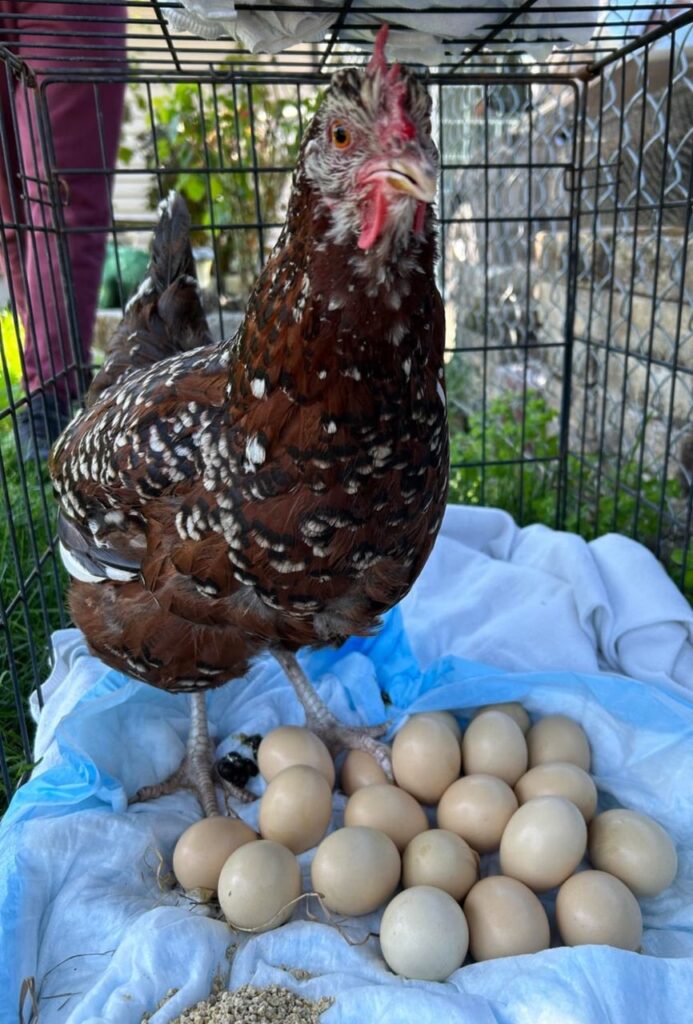
To understand the debate, we first need to define the terms. Pasture-raised eggs come from hens that spend the majority of their lives outdoors on open grassland.
According to Certified Humane standards, pasture-raised hens must have at least 108 square feet of space per bird. These chickens are free to roam, forage for insects, seeds, and worms, and engage in natural behaviors like dust bathing and sunning themselves.
In contrast, conventional eggs usually come from hens kept in “battery cages” or crowded indoor facilities with less than one square foot of space per bird.
Pasture-Raised vs. Conventional: The Key Differences
1. The Nutritional Powerhouse
If you’ve ever cracked open a pasture-raised egg, the first thing you notice is the yolk. While conventional yolks are pale yellow, pasture-raised yolks are often a vibrant, deep orange. This color is a direct result of the hen’s diet.
Studies, including research from Penn State University, have shown that pasture-raised eggs are nutritionally superior. Compared to conventional eggs, they typically contain:
- 2x more Omega-3 fatty acids: Essential for heart health and reducing inflammation.
- 3x more Vitamin E: A powerful antioxidant.
- 7x more Beta-carotene: Which the body converts into Vitamin A.
- 4x more Vitamin D: Because the hens spend time in direct sunlight.
- Lower Cholesterol and Saturated Fat: Making them a leaner choice for heart health.
2. Animal Welfare and Ethics
For many consumers, the choice is about more than just nutrition; it’s about ethics.
- Conventional: Hens often live in cramped, dark environments where they cannot spread their wings.
- Pasture-Raised: Hens live a life that mimics their natural habitat. This results in lower stress levels for the birds, which many argue leads to a “cleaner” product free from the stress hormones found in factory-farmed animals.
3. Environmental Impact
Pasture-raised farming is often part of regenerative agriculture. When chickens roam, their manure naturally fertilizes the soil, promoting biodiversity and healthier grasslands. Conventional egg production, however, creates massive amounts of concentrated waste that can lead to water and air pollution.
Understanding the Labels: Don’t Get Fooled
The egg industry uses many buzzwords. Here is how they stack up against pasture-raised eggs:
- Cage-Free: The hens aren’t in cages, but they are still packed into massive warehouses with no outdoor access.
- Free-Range: These hens have “access” to the outdoors, but this is often just a small door to a concrete porch that most birds never find.
- Organic: This refers to what the hens eat (no pesticides or GMOs), but it doesn’t necessarily mean they spent time on a pasture.
Pro Tip: Look for the “Certified Humane” or “Animal Welfare Approved” seal on your pasture-raised eggs to ensure the 108-sq-ft-per-hen standard is being met.
Why Are Pasture-Raised Eggs So Expensive?
The price jump is the biggest hurdle for most shoppers. Pasture-raised eggs cost more because:
- Land Requirements: Farmers need significantly more land to rotate the birds.
- Labor: It takes more work to manage outdoor flocks and protect them from predators.
- Feed Costs: While they forage, they still need supplemental feed, and high-quality non-GMO or organic feed is expensive.
The Verdict: Are They Worth It?
If your budget allows, pasture-raised eggs are the clear winner.
From a nutritional standpoint, you are getting significantly more vitamins and healthy fats. From an ethical standpoint, you are supporting a system that treats animals with dignity. And from a culinary standpoint, the richer flavor and sturdier whites of pasture-raised eggs make for better baking and tastier breakfasts.
However, if you are on a tight budget, remember that even conventional eggs are still an excellent, affordable source of high-quality protein.
Frequently Asked Questions (FAQ)
Are pasture-raised eggs the same as organic?
Not necessarily. Pasture-raised refers to the space and lifestyle, while organic refers to the feed and lack of chemicals. You can find eggs that are both pasture-raised and organic, which is the gold standard.
Why is the yolk orange in pasture-raised eggs?
The orange color comes from carotenoids. Because the hens eat fresh greens and insects rich in these pigments, the color transfers to the yolk.
Do pasture-raised eggs taste different?
Many chefs and home cooks agree that pasture-raised eggs have a “richer,” “creamier,” and more “savory” flavor compared to the relatively bland taste of conventional eggs.
Where can I buy pasture-raised eggs?
Most major grocery stores (like Whole Foods, Sprouts, or Kroger) now carry brands like Vital Farms. Alternatively, check your local Farmer’s Market for the freshest options.